


Cooking party at your home
from $385 for 8 kids · 2 hours, ages 4–15
Franchise cost in Canada depends on the format. The brand pages we read on 26 October 2026 state totals from $80,000 for a US mobile cooking brand to $511,950 for a US brand with a fixed location, and the formats differ most in premises, fit-out and equipment.
This page lays out the cost lines a kids cooking business meets, then puts the public figures side by side with their source, country and currency. Cookiddoo publishes no cost figures of its own, and the page explains why.
Why Cookiddoo publishes no cost figures
Cookiddoo runs kids cooking programs in Ottawa today: cooking birthday parties at families’ homes, programs for schools and daycares and the Junior Chef Academy for ages 8 to 13. Expansion to other cities is at the stage of expressions of interest. People apply, Cookiddoo reviews whether the market and the person fit the current expansion scope, and, if there is mutual interest, sends the current information package. The documents your province requires come before any agreement or payment.
That is why this page carries no Cookiddoo price for a franchise, no fees and no estimates. A cost figure on a public page, without the full set of assumptions behind it, would tell you very little. In Ontario the place for those numbers is the disclosure document, which you must receive at least 14 days before the earlier of signing the franchise agreement or any other agreement relating to the franchise and paying the franchisor or its associate any consideration relating to the franchise, under section 5(1) of the Arthur Wishart Act (Franchise Disclosure), 2000. The Act sets narrow exceptions, such as certain confidentiality or site-designation agreements and a fully refundable deposit within a limit set by regulation.
The regulation under that Act spells out what the cost section must contain. Section 6 of O. Reg. 581/00 asks for a list of all of the franchisee’s costs of establishing the franchise: deposits and initial payments to the franchisor and whether they are refundable, estimates for inventory, leasehold improvements, equipment, leases, rentals and other property needed to establish the franchise with the assumptions behind them, and any other establishment costs, including payments to the franchisor. The cost lines below follow the same logic.
The cost lines of a kids cooking business
Whether you buy a franchise, take a licence or start on your own, the money goes to roughly the same places. The amounts differ a lot between a mobile format and a storefront.
Payments to a franchisor
A franchise usually starts with an initial payment to the franchisor, and the agreement may add ongoing payments, such as a share of sales or a monthly charge. Some brands also ask for a deposit before the agreement. Ask for each payment in writing, with what it buys and whether any part comes back if the deal does not go ahead.
Equipment: portable kits or a fixed kitchen
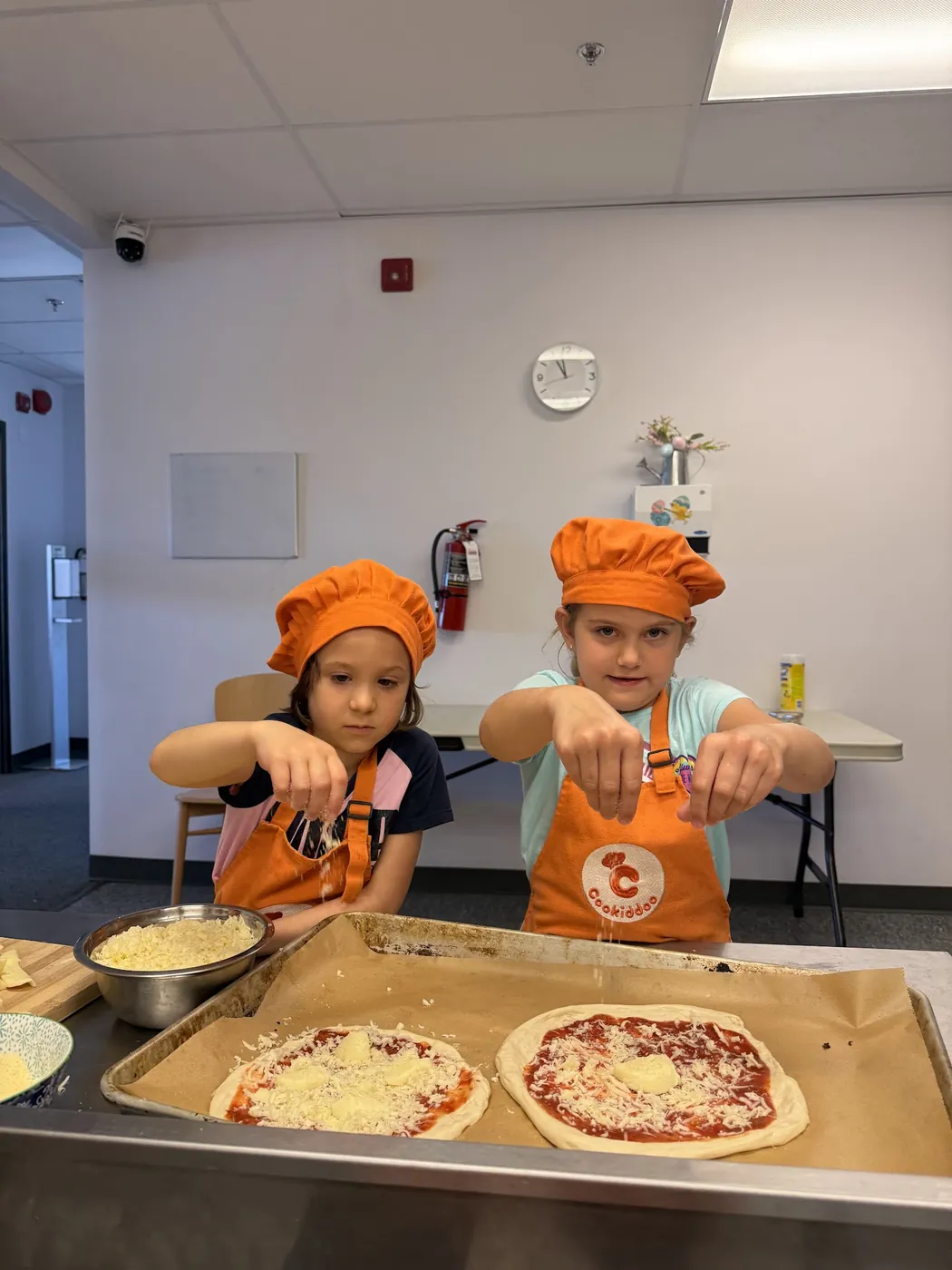
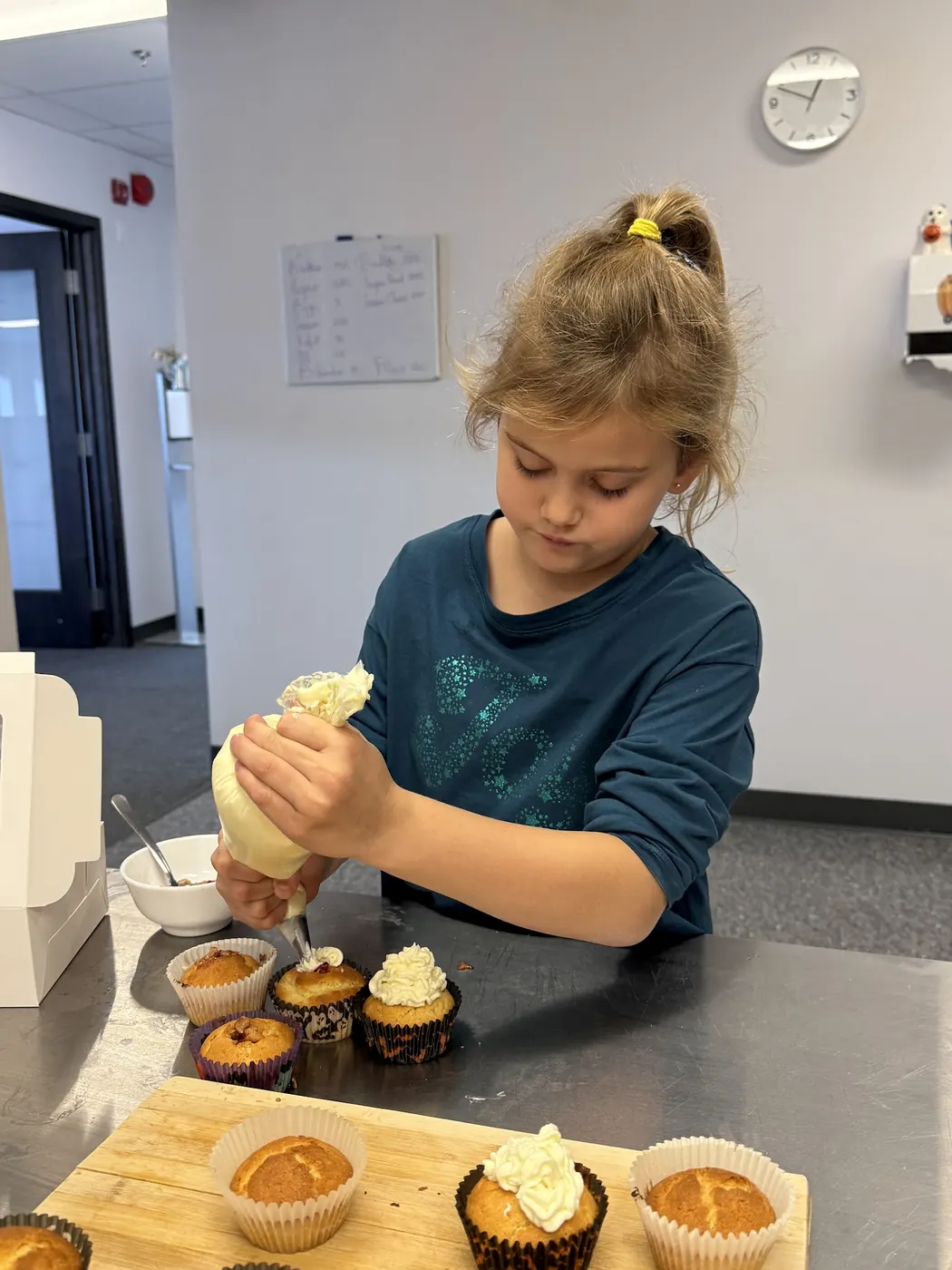
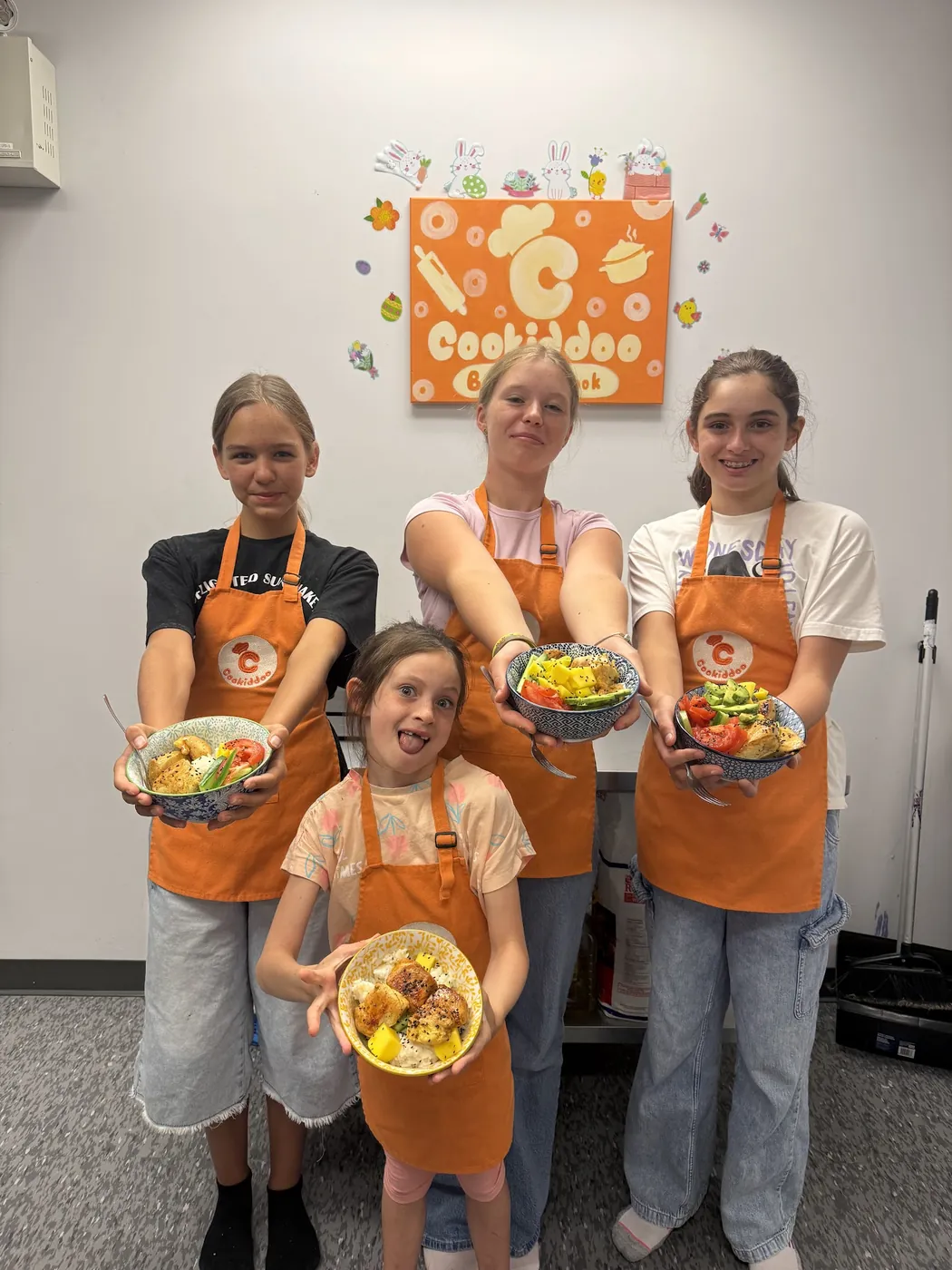
A mobile program needs kits that travel: portable cooking equipment, utensils, aprons, bins and a vehicle that fits them. Cookiddoo’s home parties work this way. The instructor brings ingredients, utensils, cooking tools, gloves, aprons and portable equipment, does the setup and cleanup, and switches to a no-cook menu when a home has no kitchen or oven (party details). A fixed location needs ovens, cooktops, sinks, refrigeration, ventilation and kid-height workstations, and each of those is a bigger line.
Premises and fit-out
A storefront brings rent, deposits on the lease, and leasehold improvements: plumbing, electrical work, flooring, washrooms and finishes. Code Ninjas, for comparison, describes its centres as typically 1,200 to 1,800 square feet in a neighbourhood retail strip centre (Code Ninjas franchise site). Food premises add a public health step. In Ottawa, public health approval is required before a food premise opens, owners must notify Ottawa Public Health at least 14 days before opening, and the application includes a floor and equipment plan and proof of food handler certification (Ottawa Public Health).
Training and food handler certificates
Expect two kinds of training cost: the program training a brand gives you, and the certificates your staff need. Ontario requires every operator of a food service premise to have at least one food handler or supervisor with food handler training on site during every hour it operates (O. Reg. 493/17, s. 32). Whether a given class or party format counts as a food service premise is a question for your local public health unit. Cookiddoo instructors hold Food Handler certification. In Ontario, the disclosure document must also say whether a franchisor’s training is mandatory and who pays for it.
Insurance
Liability insurance for activities with children and food, plus coverage for equipment and a vehicle if you drive to clients. Prices depend on your activities, location and claims history, so get written quotes from a broker before you set your budget.
Marketing
A local launch needs a website, listings, printed material for schools and community centres, and paid ads while you have no reviews yet. Some franchise systems also collect contributions to an advertising fund. In Ontario, if contributions are required, the disclosure document must state what share of the fund went to national and local advertising and what share the franchisor and its affiliates kept in the two previous fiscal years, with projections for the current year.
Licences and permits
Business registration, municipal licences where they apply, and the public health approval for a food premise. In Ontario, the franchisor’s disclosure document must describe every licence, registration or permit the franchisee needs under federal, provincial or municipal law.
Working capital
Money to pay rent, wages, ingredients and your own living costs while bookings build up. This line is easy to forget, so it gets its own section below.
Public figures from brand pages
Several brands that teach children state a total on their franchise pages. The table copies what each page said on 26 October 2026, with the source. These are the brands’ own statements, mostly from US documents, and none of them describes Cookiddoo.
| Brand | Format | Total initial cost the brand states | Caveats |
|---|---|---|---|
| Sticky Fingers Cooking (cooking) | Classes at schools, camps, libraries and community spaces, no storefront | Average all-in total $80K to $125K (brand page) | US brand; the page does not name a currency or mention Canada |
| The Real Food Academy (cooking) | Fixed location | $332,100 to $511,950 (brand page) | US brand; points to its US FDD Items 7 and 19; no year given for the range |
| Code Ninjas (coding) | Centre of 1,200 to 1,800 sq ft in a retail strip centre | $174,250 to $265,750 per FDD Item 7; the same item puts the initial payment to the franchisor at $45,000 (brand page) | General brand site based on a US FDD; no country or currency named |
| Oxford Learning (tutoring) | Tutoring centre | About $100,000 to $250,000, depending on location (brand page) | Brand with over 125 locations across Canada; the page gives an approximate range and does not name a currency |
Kumon is a common search, and we could not confirm a figure on Kumon’s Canadian site on 26 October 2026, so it is left out of the table. Ask the brand for its current Canadian disclosure document. The same applies to every row above: before you rely on any number, get the document your province requires and read its cost section.
Why the numbers are so far apart
In the table, the totals rise with the premises. A brand with a fixed location, such as The Real Food Academy, carries rent, leasehold improvements and a kitchen fit-out. Code Ninjas sizes its centres at 1,200 to 1,800 square feet in retail strip centres, and its stated total starts at $174,250. Sticky Fingers Cooking teaches where the children already are, in schools, camps, libraries and community spaces, and its stated average total sits at $80K to $125K.
Other reasons the ranges move:
- Currency. Check whether a figure is in US or Canadian dollars; several pages above name no currency at all.
- Date. A range on a web page may come from an older disclosure year.
- City. Rent and wages in Toronto or Vancouver differ from those in a smaller market, which is why Oxford Learning ties its range to location.
- What is counted. Check whether a total includes working capital for the first months, and read the assumptions behind it.
Working and emergency capital
Start-up costs get you to opening day. After that you pay rent, staff and suppliers before parents and schools pay you. BDC puts it plainly: the price of a franchise does not include the working capital you need to get it up and running (BDC).
The Canadian Franchise Association suggests asking yourself whether you have the capital, including working capital and emergency capital, to get started and also to keep earning a living in slower times (CFA buyer guidance). For a business that runs school programs, the school calendar shows when those programs pause, so plan cash for summer and holiday breaks. The CFA also warns that franchisors cannot promise a specific revenue or income for a location, and treats such promises as a red flag.
Ontario uses the total initial cost as a legal threshold
In Ontario, the size of your total initial cost decides whether the disclosure rules apply at all. The regulation defines the total initial investment as all of the franchisee’s costs of establishing the franchise, including deposits and payments to the franchisor (O. Reg. 581/00, s. 9(1)). Then:
- When that total does not exceed $15,000, the grant of the franchise is exempt from the disclosure requirement of section 5 (Act s. 5(7)(g)(i); O. Reg. 581/00, s. 9(2)).
- When it is greater than $3,000,000, the same exemption from section 5 applies (Act s. 5(7)(h); O. Reg. 581/00, s. 9(3)).
If a deal’s total sits near $15,000, ask the franchisor how it calculated the total and whether it treats your deal as exempt. Exemptions do not stop you from asking for the same information in writing. The details of the Ontario rules are in our guide to the Arthur Wishart Act. Other provinces with franchise laws set their own rules.
Paying for it and comparing offers line by line
Most people combine savings with a loan. The federal Canada Small Business Financing Program lists costs to buy a franchise among the things a term loan can finance (ISED), and BDC notes that lenders typically ask for a draft franchise agreement, your personal financial statement and a business plan. Our guide to starting a franchise in Ottawa: financing and permits covers the programs and the permits in more detail.
To compare offers, put every cost line from this page in rows and each brand in a column, then fill the cells from the disclosure documents. Blank cells are your questions. The franchise disclosure document checklist lists what to look for, and low-cost, home-based and mobile franchise ideas shows formats that skip the storefront lines.
This page is general information as of 26 October 2026 and does not cover your situation. Have a franchise lawyer and an accountant review the documents of any actual deal before you sign or pay.
If you want to bring Cookiddoo programs to your city, request the Cookiddoo franchise information package.
- Send a short application: who you are, your city and your experience.
- Cookiddoo reviews the fit and sends the information package.
- Any disclosure document your province requires comes before any agreement or payment.
This page is general information. Have a franchise lawyer review any actual agreement.
What Ottawa parents say
4.629 reviews on GoogleWe visited Cookidoo off-site class and my kids had the greatest time ever! They made chocolate cookies from scratch!
The cooking instructor was patient, kind and did an amazing job teaching the children (ages 4 to 8) and they enjoyed learning to make pizza as well as eating it.
The cooking class was fun, engaging, and organized for the kids. The instructors were patient, enthusiastic, and made every child feel included.

Cooking party at your home
from $385 for 8 kids · 2 hours, ages 4–15