


Junior Chef Academy
$680 + HST · Ages 8–13, up to 10 kids
To start a cooking class business for kids in Ontario, choose one format first (parties at home, school programs, community centre series or a multi-week course), then put food handler training, a Level 3 vulnerable sector check, insurance and business registration in place before the first paid class. If you will prepare food in a fixed location, contact your local public health unit early: in Ottawa, public health approval is required before a food premise opens.
This guide follows the order in which the decisions come up and uses Cookiddoo's Ottawa operation as a worked example, with figures from its published pages. It is general information: confirm each step with the agency named.
1. Pick the format first
The format decides most of what follows: where food is prepared, which checks a client asks for, what equipment you carry, what you charge and who pays. Launch with one format and add a second once the first runs smoothly.
| Format | Where it runs | Who pays | Cookiddoo example (published) |
|---|---|---|---|
| Birthday party at home | The family's kitchen or dining room | Parents | 2 hours: 15 min setup, 60 min hands-on cooking, 45 min tasting and celebration; from $385 for 8 children, $40 per extra child, before HST (mobile cooking parties) |
| School and daycare program | Classroom or school kitchen | The school or daycare | 4–6 week series from $1,520 per group, 8–10 weeks from $3,040, one-time workshops on request (school and daycare workshops) |
| Community series | Community centres, day camps, libraries, faith communities, youth clubs | The organization or the families | One workshop for a theme day, or a 4–6 or 8–10 week series |
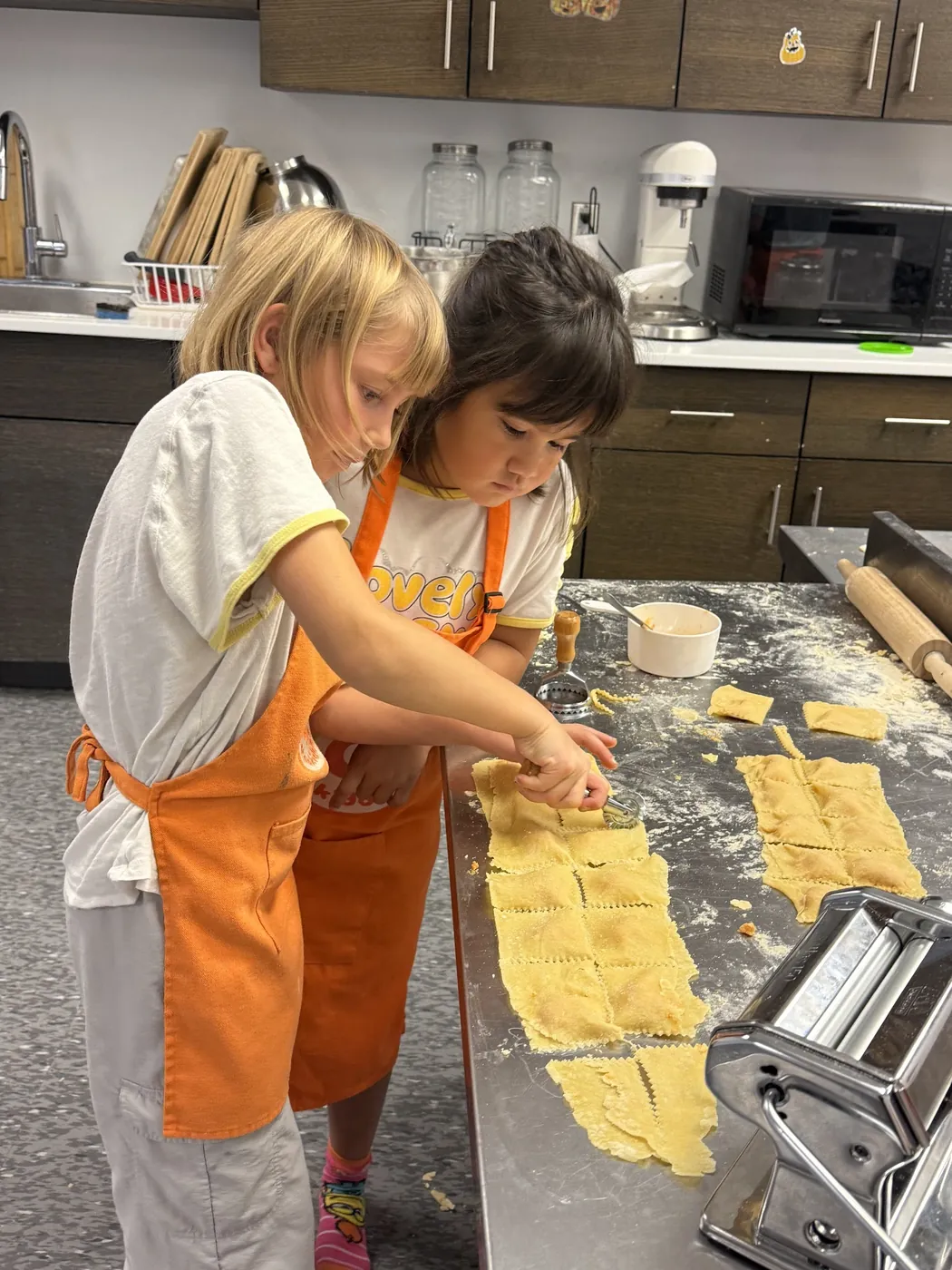
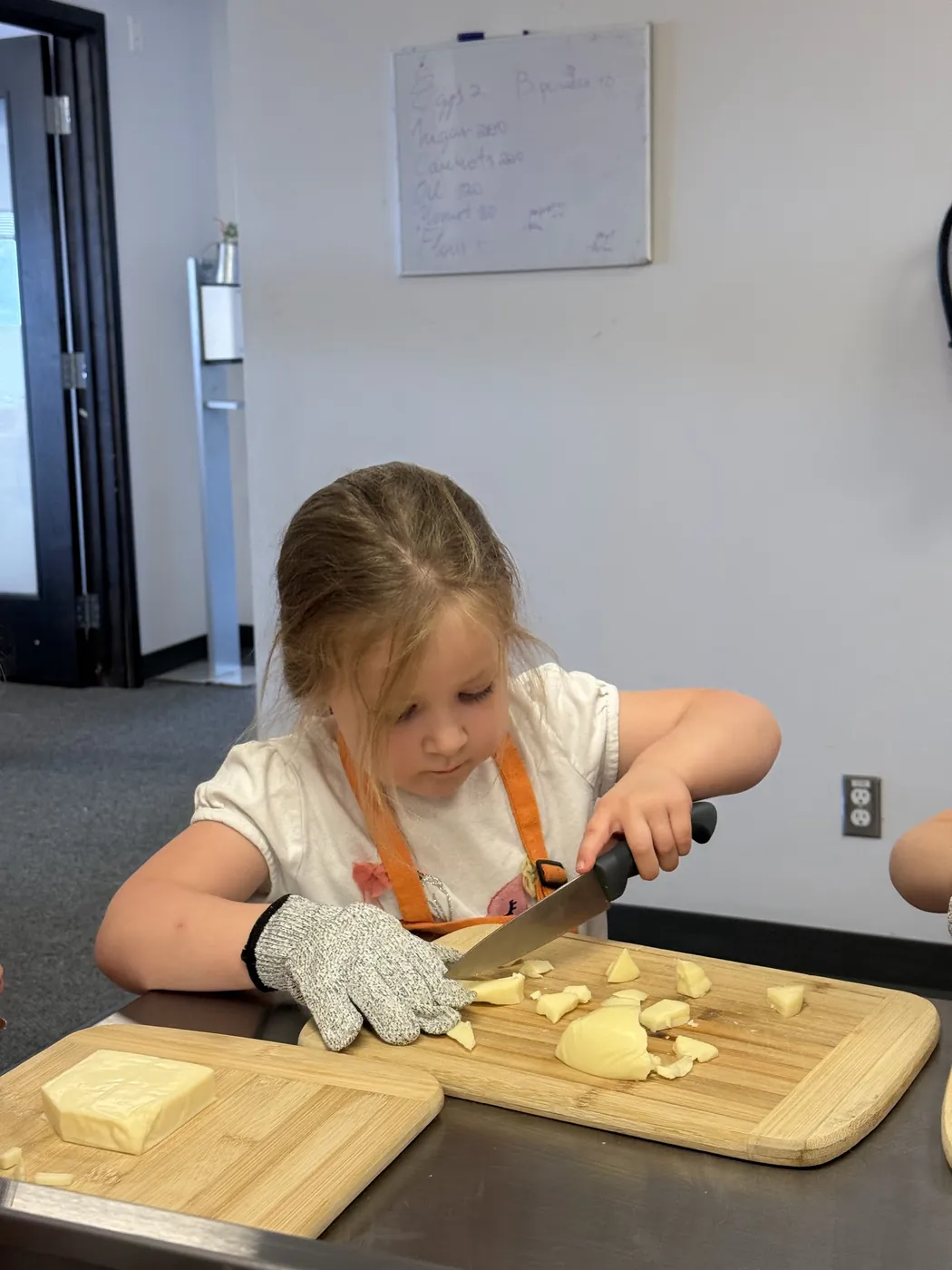
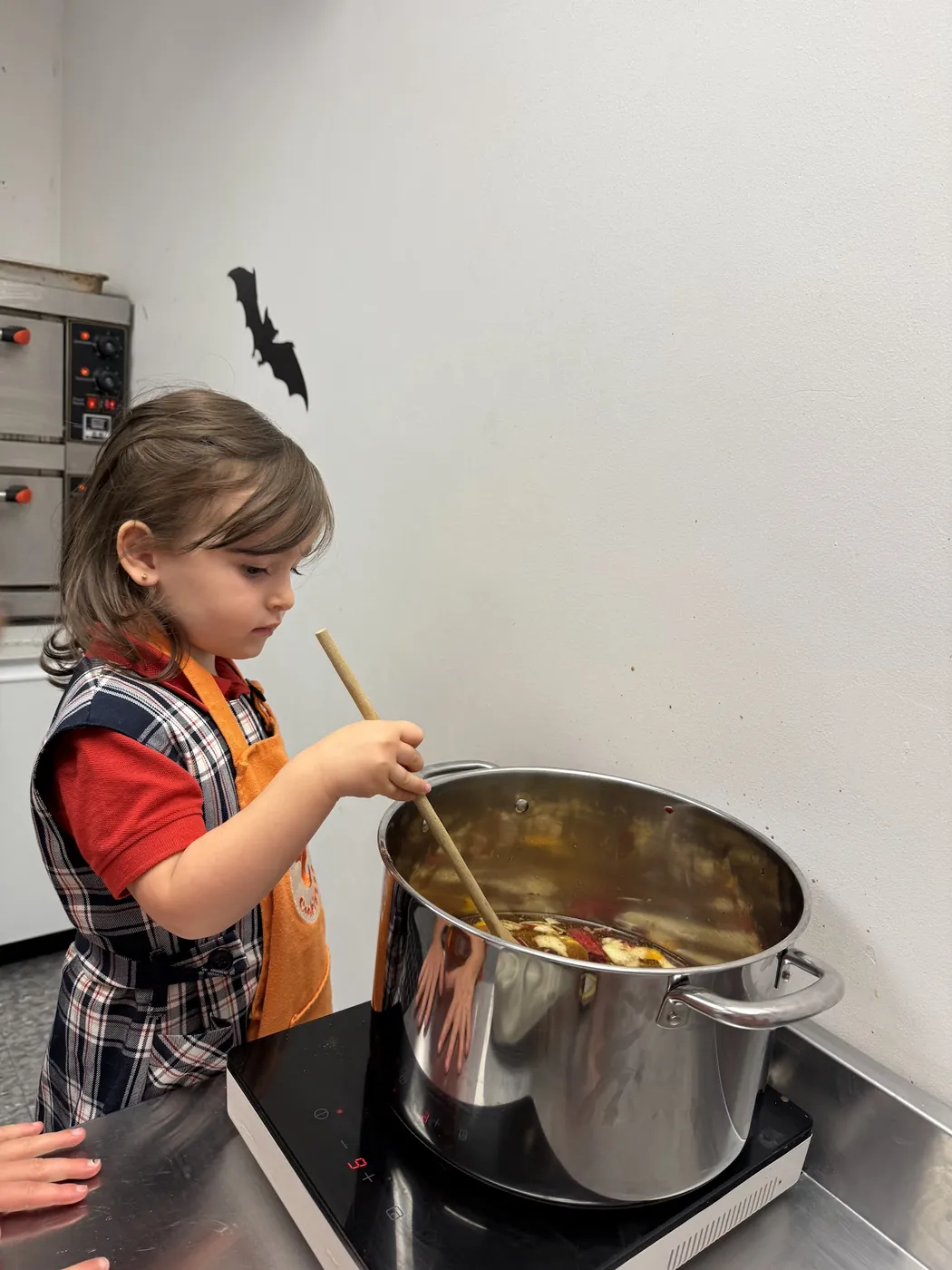
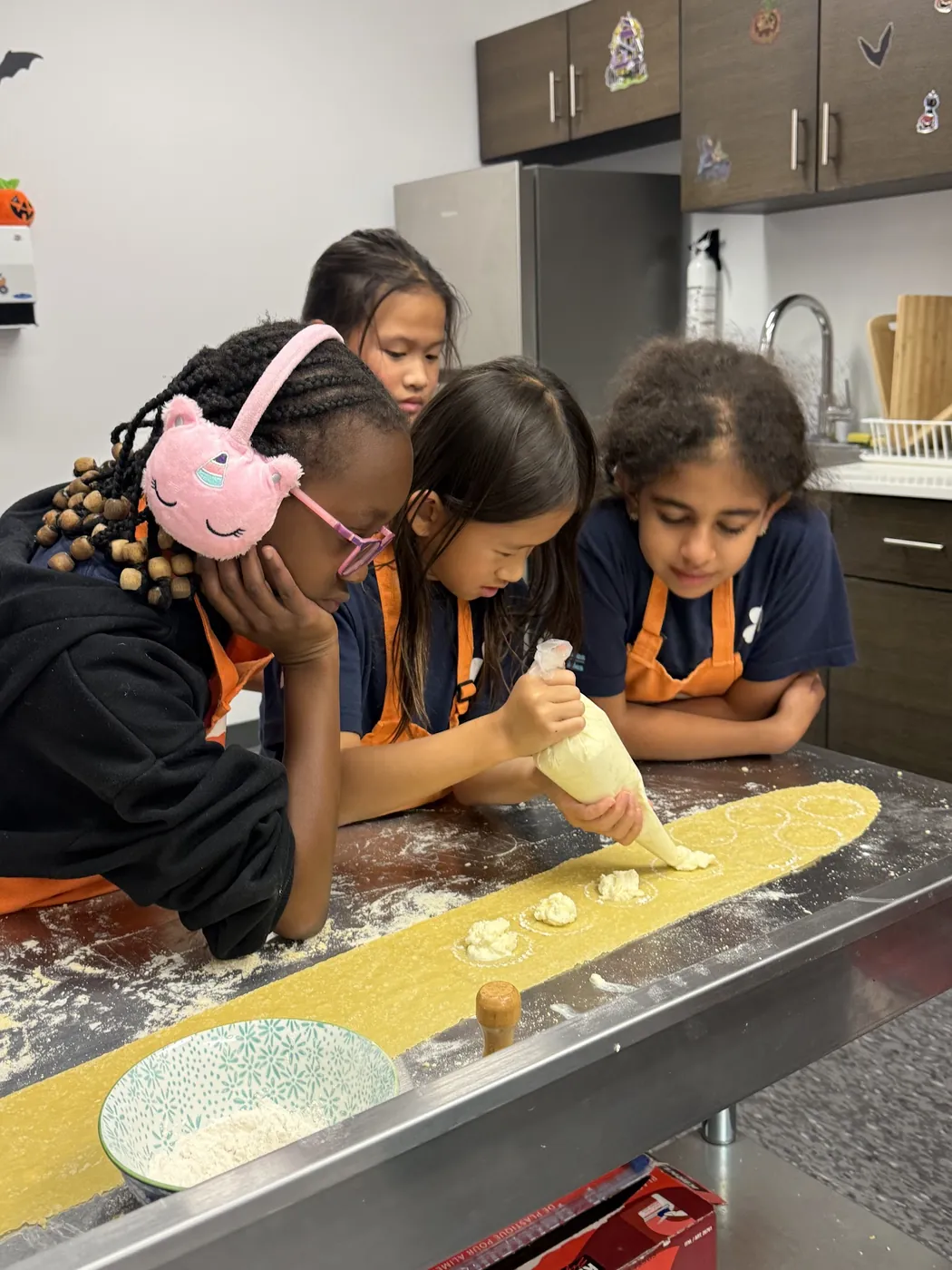
| Multi-week course | A fixed room with kitchen access, rented, shared or your own | Parents | Junior Chef Academy: 8 two-hour classes for ages 8–13 in Westboro, up to 10 children (course page) |
Mobile formats let you start without a lease. A course in a fixed room gives a steady weekly schedule and brings the most paperwork, covered next.
2. Food safety rules in Ontario
Ontario's food premises rules sit in O. Reg. 493/17 (Food Premises) under the Health Protection and Promotion Act. Three parts matter most for a cooking class business.
- What a food service premise is. The regulation defines it as any food premise where meals or meal portions are prepared for immediate consumption, or sold or served in a form ready for immediate consumption, on the premises or elsewhere (s. 1(1)).
- Trained staff every hour. Every operator of a food service premise must have at least one food handler or supervisor with food handler training on the premise during every hour it operates (s. 32).
- What counts as training. Food handler training means food safety training from a local board of health or an agency of a board of health, or through a program the Ministry recognizes as equivalent (s. 1(1)).
Food handler certificate in Ottawa
Ottawa Public Health's food handler training page says the course serves food businesses and also people working directly with high-risk groups such as children. OPH accepts certificates from the providers it lists and from any other health unit in Ontario or Canada, and Ministry-recognized online courses are among the options. Get certified before you sell the first class, and ask every instructor who handles food to do the same. Cookiddoo's instructors hold Food Handler certification.
Does a mobile class count as a food premise?
The regulation does not name children's cooking classes or parties, and the answer depends on the facts: where the food is prepared, who eats it and whether it is sold. Write to your local public health unit before launch, describe the format in a few lines (for example: two-hour class in a client's home kitchen, children cook and eat what they make, ingredients bought the same day) and keep the reply on file. In Ottawa that unit is Ottawa Public Health; elsewhere in Ontario it is the health unit for your area.
Opening a fixed location in Ottawa
For a fixed room where food is prepared, Ottawa Public Health's page on starting a food premises says public health approval is required before opening, and owners or operators must notify OPH at least 14 days before opening. A new application includes a floor and equipment plan, a description of the operation, proof of food handler certification and a sample menu. Public health inspectors then inspect the premises and give information and advice during inspections.
Teaching from your own home kitchen
If you are looking at how to start a cooking business from home, read OPH's page on low-risk home-based food businesses. It says the part of a home where food is prepared, handled, cooked and stored counts as a food premises while it is used for that purpose. From June 2026, home businesses preparing only low-risk foods may operate in residentially zoned locations, while medium- and high-risk foods must be prepared in commercially zoned, inspected premises. Notice to OPH is due at least 14 days before opening.
That page is written for people who make and sell food. A class where children cook in your home raises its own questions about zoning, parking and insurance, so describe your exact plan to OPH and the City before you invite the first group.
3. Working with children: the vulnerable sector check
Teaching children puts you in a position of trust, and the police check for that role is the Level 3 Vulnerable Sector Check. The Ottawa Police Service restricts it to people seeking paid or volunteer work in a position of authority or trust relative to vulnerable persons in Canada. It collects offence information, including convictions, outstanding warrants, charges, judicial orders and sexual offence convictions for which a record suspension was granted, where the federal Minister has authorized their release.
- A basic Level 1 criminal record check is not intended for work with vulnerable persons, so plan on Level 3.
- Ottawa Police issues checks only to Ottawa residents. If you live elsewhere, apply through your local police service.
- Ask each school, daycare or community centre which level it needs and how recent the check must be, and get checks for assistants too.
4. Designing classes
Here is how Cookiddoo sets up its sessions, as a reference point you can adapt.
| Design choice | Cookiddoo practice |
|---|---|
| Staffing ratio | Up to 10 children per instructor; an assistant joins from 11 children; maximum 30 children per session |
| Session length by age | About 45 minutes for the youngest, 60–75 minutes for ages 5–9, 75 minutes for ages 9–12, 75–90 minutes for ages 12–15 |
| Knives | Knife work from age 7; younger children mix, shape and decorate |
| Allergies | Nut-free protocols |
| Curriculum link | School sessions tied to healthy eating, part of Strand D (Healthy Living) in the Ontario Health and Physical Education curriculum, Grades 1–8 (2019) |
| Language | Sessions in English or French, so French-stream and immersion classes cook in the language they work in |
| Class rhythm | Junior Chef Academy keeps the same order each class: arrive and prepare, learn the technique, cook, plate and taste, clean up, stamp the Chef Passport |
Set up your own allergy routine before the first booking:
- collect allergies and dietary needs on the booking form, and confirm them again on the day;
- read every ingredient label, including spices, chocolate and sprinkles;
- keep a written list of excluded ingredients for each group;
- agree with the parent or school what happens if a child reacts, and who has the child's medication.
Read a short list of kitchen rules aloud at the start (wash hands, knives stay on the board, ask before tasting). Cookiddoo publishes its kitchen rules for children.
5. Venues without your own premises
You can run a kids cooking business without renting a room. Cookiddoo teaches children ages 4–15 at families' homes, schools and community centres across Ottawa and Gatineau.
- Families' homes. For a party, Cookiddoo brings ingredients, utensils, cooking tools, gloves, aprons and portable equipment, and handles setup and cleanup. When a home has no kitchen or oven, it switches to a no-cook menu.
- Schools and daycares. Programs run as 4–6 or 8–10 week series or one-time workshops. One pilot session at a reduced rate lets a school try the format before it books a series.
- Community centres, day camps, libraries, faith communities and youth clubs. They book one workshop for a theme day or a short series.
Questions to ask any venue before you quote:
- Is there a sink for handwashing and one for dishes, and may you use them?
- How many outlets are free for induction burners or a portable oven?
- Is there fridge space for ingredients on the day?
- Who cleans the room afterwards, and to what standard?
- Does the venue need your certificate of insurance, and should it be named on it?
- Does the building have allergy rules, such as a nut-free school?
Keep a tested no-cook menu ready for every venue (wraps, fruit skewers, cookies baked ahead and decorated in class). It saves the session when the oven turns out to be broken.
6. Registration and insurance: the steps
Costs depend on your situation, so here are the steps without figures.
- Choose a structure. Ask an accountant whether a sole proprietorship or a corporation fits your plans, then register the business and its name with the province.
- Sales tax. Ask the accountant when you must register for HST and how to show it on invoices. Cookiddoo publishes its prices before HST.
- Insurance. Talk to a broker who places policies for children's activities and bring these questions: Does the liability policy cover classes in clients' homes, schools and community buildings? Does it cover food that children prepare and eat, including allergic reactions? Are assistants covered? Is equipment covered in your car and on site? Can the broker issue a certificate naming a school board or venue?
- Policies in writing. Deposit and cancellation terms, an allergy and medical form, photo consent and kitchen rules. Cookiddoo takes a $150 deposit to reserve a party date and credits it to the total.
7. A one-page cooking class business plan
A first-year cooking class business plan fits on one page. Fill in every line before you spend money on equipment.
| Line | What to write |
|---|---|
| Format and ages | One launch format and one age band, for example home parties for ages 6–10 |
| Customer | Who pays and how they find you: parents, school principals, centre programmers |
| First three programs | One party menu, one school or centre workshop, one short series |
| Venues | Where each program runs, what kitchen access it has, and the no-cook backup |
| Staffing | Ratio, who assists, who covers when you are sick |
| Compliance | Food handler certificates, vulnerable sector checks, the public health answer about your format, insurance, registration |
| Price | Price per child or per group, built from ingredients, time, travel and HST, compared with local offers |
| Equipment | A kit list that fits in your car |
| First 90 days | How many classes you aim to run, and the date you review what worked |
Keep first menus short: Cookiddoo's party menus include pizza, pasta, mini burgers and fries, cupcakes and brownies, plus a drink each child makes. Test every menu at home with a timer before you sell it.
8. Going alone or with a brand
Independent, you write the recipes, policies and marketing yourself. A brand trades part of that work for its system and rules, and the legal form of the deal matters: the guide to franchising vs licensing explains the difference, and the overview of kids cooking class franchises in Canada shows which models exist.
Some brands work without a storefront. Sticky Fingers Cooking describes franchisees running on-site classes at schools, camps, libraries and community spaces, and Cook Stars franchisees in the UK run classes and parties and work with schools, councils, charities and community groups. More mobile options are in low-cost, home-based and mobile franchise ideas, and local permits and financing in starting a franchise in Ottawa.
If a deal is a franchise under Ontario law, the franchisor must give you a disclosure document, and you must receive it at least 14 days before the earlier of signing the franchise agreement or another agreement relating to the franchise and paying any consideration relating to the franchise (Arthur Wishart Act (Franchise Disclosure), 2000, s. 5(1)). The Act sets narrow exceptions, such as a capped, fully refundable deposit and agreements limited to confidentiality or the choice of a site. That document must describe every licence, registration or other permission you need under federal, provincial or municipal law to operate the franchise (O. Reg. 581/00, s. 6, para. 10), a useful cross-check against the steps in this guide.
Cookiddoo runs mobile parties, school and daycare programs, community workshops and the Junior Chef Academy in Ottawa, and it accepts expressions of interest from people who want to bring these programs to their city. You apply, Cookiddoo reviews the fit and sends an information package, and any documents your province requires come before any agreement or payment. To begin, request the Cookiddoo franchise information package.
This guide is general information. Have a franchise lawyer review any franchise or licence documents before you sign.
- Send a short application: who you are, your city and your experience.
- Cookiddoo reviews the fit and sends the information package.
- Any disclosure document your province requires comes before any agreement or payment.
This page is general information. Have a franchise lawyer review any actual agreement.
What Ottawa parents say
4.629 reviews on GoogleMy son attended several cooking classes at Cookiddoo, and he loved every one of them. He’s now a much more confident and capable helper in the kitchen, which has been amazing to see.
The instructors were incredibly engaging and patient with the kids. It is a wonderful, interactive way for children to learn new skills and build confidence in the kitchen.
My daughter attended one of their classes and made a delicious lasagna completely from scratch. I was truly impressed with what she accomplished.
Junior Chef Academy
$680 + HST · Ages 8–13, up to 10 kids