


Cooking party at your home
from $385 for 8 kids · 2 hours, ages 4–15
A low-cost franchise in Canada is one where the total initial cost, meaning everything you pay to open, stays small, and many of the options parents look at run from home or travel to clients with no storefront to lease. Before you compare brands, ask each one for that total in writing and check whether provincial disclosure law applies: in Ontario, the cheapest offers can lawfully arrive without a disclosure document.
This guide is for a parent or educator who wants work that fits around school hours. It covers what “low cost” means in listings, what Ontario law says about small franchises, how home-based and mobile models differ, which ideas fit a family calendar, and what to ask before you sign. Mobile kids cooking, the format Cookiddoo runs in Ottawa, comes near the end as one option among several.
What “low cost” means in a franchise listing
Catalog pages and franchisor ads usually show one starting number. That number can mean different things: the payment to the franchisor alone, the price of a starter equipment kit, or a full estimate of everything needed to open. Two listings with the same headline figure can end up far apart once training travel, insurance, a vehicle, marketing and the first months of operating money are added.
Ontario’s franchise regulation offers a definition worth borrowing. For its exemption rules, the total initial investment covers all of the franchisee’s costs to establish the franchise: deposits and payments to the franchisor, estimated costs of inventory, equipment, leases and other goods, and any other payment the agreement requires (O. Reg. 581/00, s. 9(1)). Ask every brand for its total in that form, line by line.
Searches such as “franchises under 50k Canada” or “franchise under 100k Canada” sort brands by the figure each franchisor chooses to show. Use that filter as a first list. The number that matters is what you would actually pay, plus the money to live on while the business grows. The Canadian Franchise Association asks buyers whether they have working capital and emergency capital to keep earning a living in slower times, beyond the money to get started (CFA buyer guide). Cost lines for one specific model are broken down in what it costs to open a kids cooking business in Canada.
Low cost and the law: when a cheap franchise comes without a disclosure document
Ontario’s Arthur Wishart Act (Franchise Disclosure), 2000 normally requires the franchisor to deliver a disclosure document that you receive at least 14 days before you sign the franchise agreement or any other agreement relating to the franchise, or pay any money relating to it (s. 5(1)). The Act carves out narrow exceptions, such as a small refundable deposit. The same Act exempts a franchise where the prospective franchisee’s total initial investment does not exceed a prescribed amount (s. 5(7)(g)(i)), and the regulation sets that amount at $15,000 (O. Reg. 581/00, s. 9(2)).
The consequence for a buyer: an offer priced at or under that line may come with no disclosure document at all, and that can be lawful. You then go without the material facts, financial statements and copies of proposed agreements that the Act otherwise requires (s. 5(4)). The Act puts the burden of proving an exemption on whoever claims it (s. 12), so a franchisor that skips disclosure because the price is low should be able to show how it counted the total.
Alberta’s Franchises Act has a similar exemption when the total annual investment required to acquire and operate the franchise does not exceed an amount set by regulation (s. 5(1)(e)). Check the current regulation, or ask a lawyer, before you rely on any dollar figure there.
What to ask for instead: the same items a disclosure document would contain. Request the agreement, the franchisor’s financial statements, a written list of every cost and contacts of current franchisees, then go through them with the franchise disclosure document checklist. The full Ontario rules, including the other exemptions, are in the Arthur Wishart Act explained.
Home-based or mobile: where the work happens
“Home-based” and “mobile” often appear side by side in listings, and they describe two different things. A home-based franchise keeps the office at home: scheduling, calls, bookkeeping and storage of supplies. A mobile franchise delivers the service at the client’s site, such as a family’s home, a school, a camp or a community centre. Many kids’ activity businesses combine both, with admin at the kitchen table and delivery on the road.
Two kids cooking brands from outside Canada show how the mobile version works. Sticky Fingers Cooking, a US brand, describes on-site classes at schools, camps, libraries and community spaces, with no storefront and no buildout (Sticky Fingers Cooking franchise site). Cook Stars, a UK brand, describes franchisees who run cookery classes and parties for children aged 2 to 17 and work with schools, councils, charities and community groups (Cook Stars franchise page). Read them as examples of the model; each market has its own rules and costs.
| Model | Where you work | What you need to start | Fit with school hours | Question to ask |
|---|---|---|---|---|
| Home-based service | Home office; clients reach you by phone or online | Computer, phone, insurance, any licence your trade needs | Admin fits short blocks: mornings, nap time, evenings | Do your municipality and your lease or condo rules allow a home business? |
| Mobile service | Clients’ homes, schools, camps, community centres | Vehicle, portable kit, insurance; background checks for work with children | School programs run on weekdays; parties fall when families book them | Who supplies curriculum and equipment, and who finds the clients? |
| Site-based | A leased space | Lease, fit-out, rent every month | Hours follow the site’s schedule | What happens to the lease if the franchise ends? |
Ideas that fit a parent’s schedule
For a parent, the hours matter as much as the category. Kids’ services sell at the moments other families need them, and those moments can overlap with your own family’s busy times. A few patterns to weigh:
- After-school and in-school programs. Classes at schools, daycares and community centres run on weekdays, close to the hours your own children are in class or care. Sessions are short: Cookiddoo’s run from about 45 minutes for the youngest children to 75–90 minutes for ages 12 to 15 (school and daycare programs).
- Weekend parties. Birthday parties at families’ homes are planned well ahead. Cookiddoo’s party page advises booking two to three weeks ahead, and four to six weeks for Saturdays and holiday weekends. For an operator, that lead time is a planning tool: you see weekend work weeks in advance and can arrange childcare early.
- PA days and camps. Professional activity days and summer weeks create daytime demand on the same days your own children are off school. Plan care for them before you open bookings.
- Community series. Libraries, day camps, faith communities and youth clubs book single workshops or short series; Cookiddoo offers them one workshop or a 4–6 or 8–10 week series (community workshops). A series gives you a fixed weekly slot.
- Home-based business ideas with no travel. Online tutoring, bookkeeping or virtual assistance fit irregular hours. Many of them can start as independent businesses, with no franchisor to pay.
Some offers aimed at parents ask for an upfront payment for the right to sell a company’s goods or services under its brand, following its system. In Ontario such an arrangement can meet the legal definition of a franchise (Arthur Wishart Act, s. 1(1)), with the rights that come with it. Ask a lawyer when the label and the substance differ.
If a cooking program is your idea, the first steps in Ontario (food safety training, background checks, venues, first programs) are in how to start a kids cooking class business in Ontario. Other children’s categories, from tutoring to coding and sports, are compared in kids education and enrichment franchises in Canada.
Where listings come from and how to filter them
Most results for “low cost franchise Canada” and “cheap franchise Canada” are catalog sites. Knowing how they work helps you read them.
- Franchise Direct describes itself as an internet lead-generation business for the franchise industry, founded in 1998, that connects entrepreneurs with franchisors seeking investors (Franchise Direct, About). A listing there is a marketing channel for the brand.
- BeTheBoss.ca lists franchises and businesses for sale, states 26+ years in business and more than 1,000 franchise brands served, and lets you contact brands directly from listings (BeTheBoss.ca).
- The Canadian Franchise Association lists member brands on LookForaFranchise.ca, and those listings also appear in the annual Franchise Canada Directory (CFA membership page). Membership tells you the brand joined the association; checking the brand stays your job.
A short filter before you spend time on a call:
- Write down the total initial cost the brand gives you and what it includes.
- Ask whether you will receive a disclosure document and under which province’s law. If the brand says none is needed, ask which exemption it relies on and how it counted the total.
- Check that the model has operators in Canada you can call.
- Compare the work itself: hours, travel, physical demands, work with children.
- Drop any offer that promises a level of income.
Questions to ask before you sign
The CFA advises buyers to do due diligence with a franchise lawyer, an accountant and a banker, and to speak with other franchisees, suppliers, landlords and customers before deciding. It also notes that franchisors cannot promise a specific revenue or income for a location, and calls overpromising a red flag (CFA buyer guide). For a small home-based or mobile offer, add these:
- What is the total initial cost, line by line, and which parts are refundable?
- What ongoing payments go to the franchisor, and how are they calculated?
- Who supplies the curriculum, equipment and insurance requirements?
- Who finds clients: the franchisor, you, or both?
- How many operators work in Canada now, and how many left in the past year?
- What happens if you need to stop?
The full list, item by item, is in how to read a franchise disclosure document.
This page is general information current to October 2026 and is no substitute for legal advice. Have a franchise lawyer review your documents before you sign anything or pay any money.
Mobile kids cooking: how Cookiddoo runs it in Ottawa
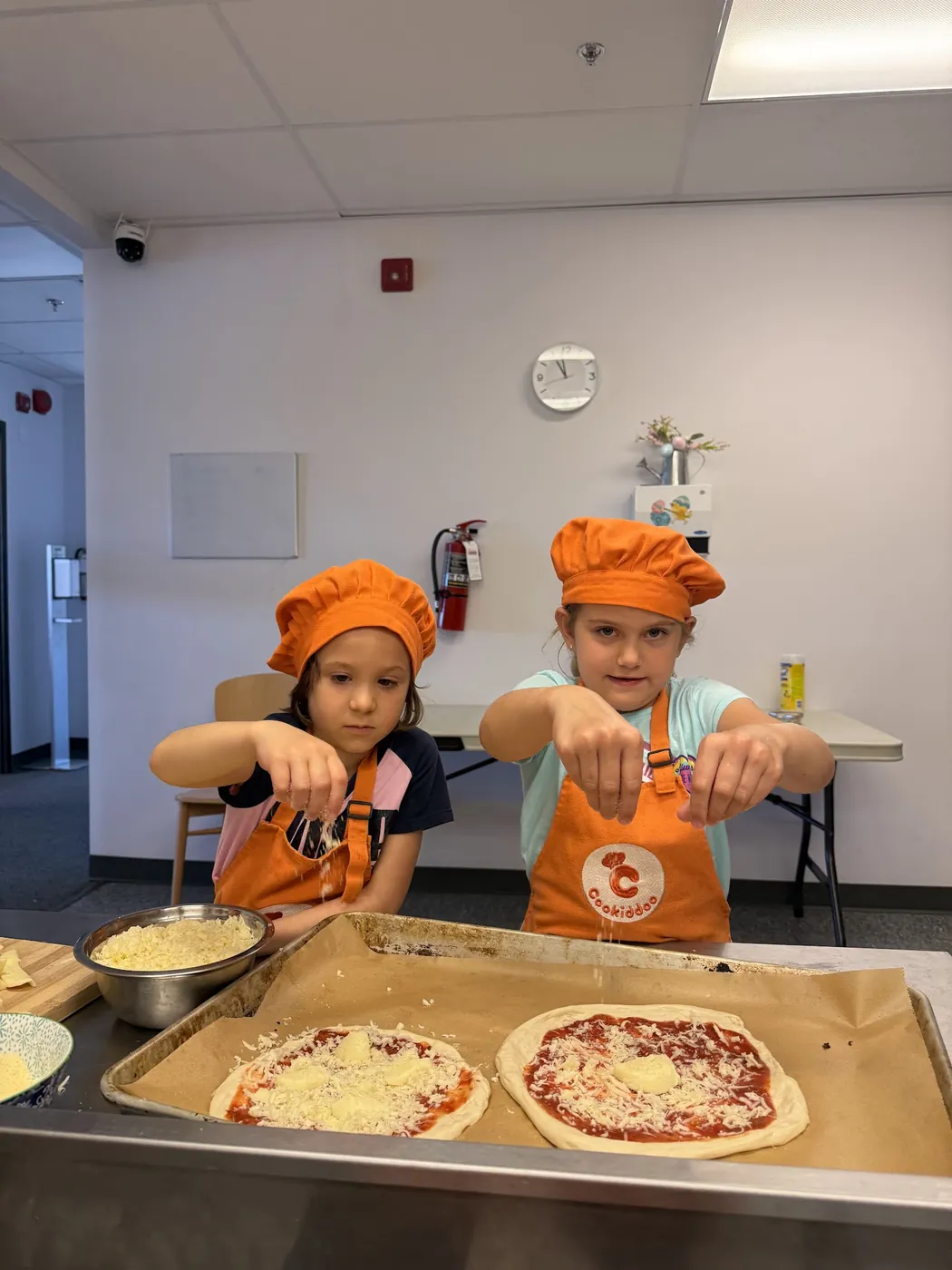
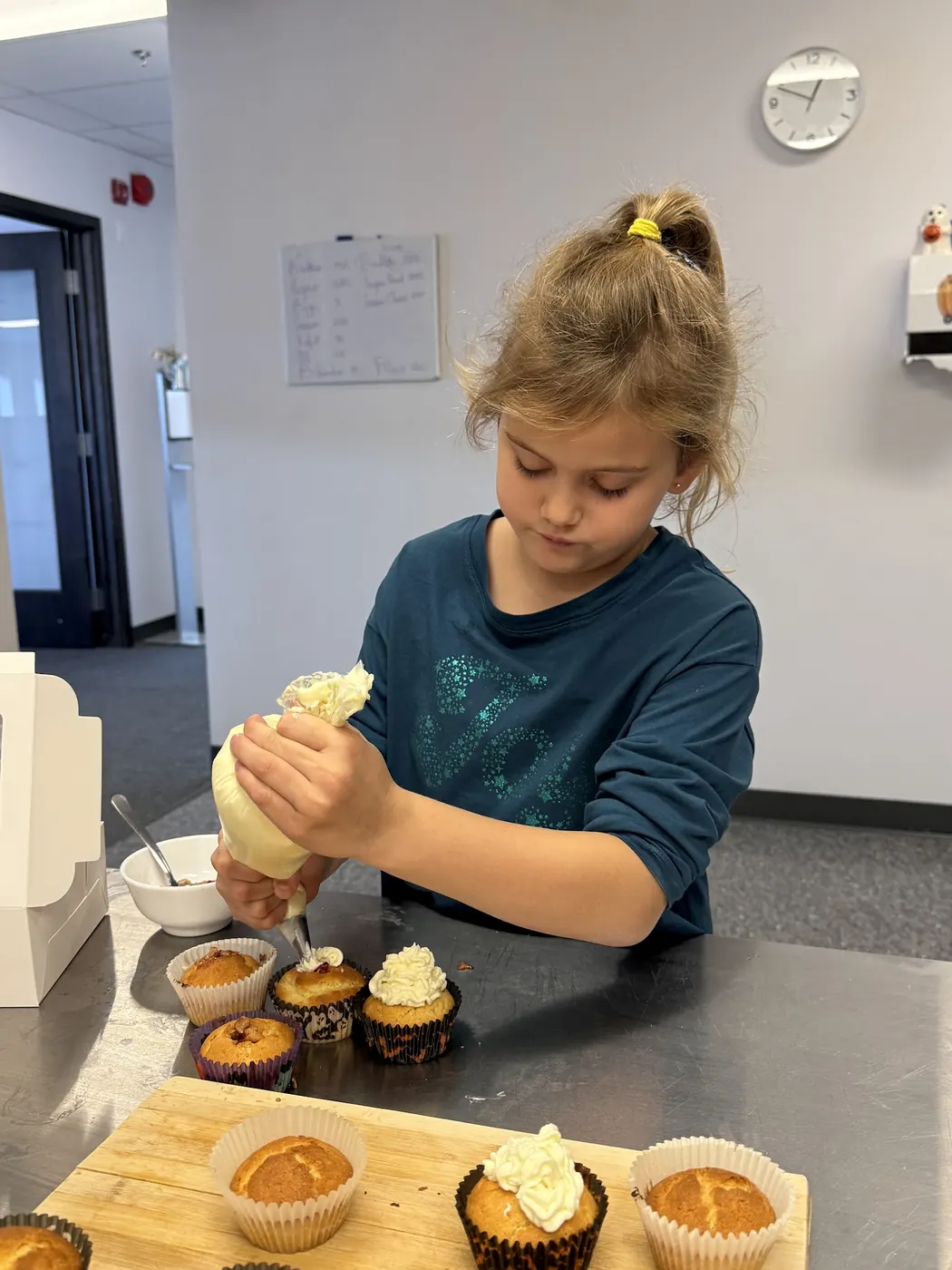
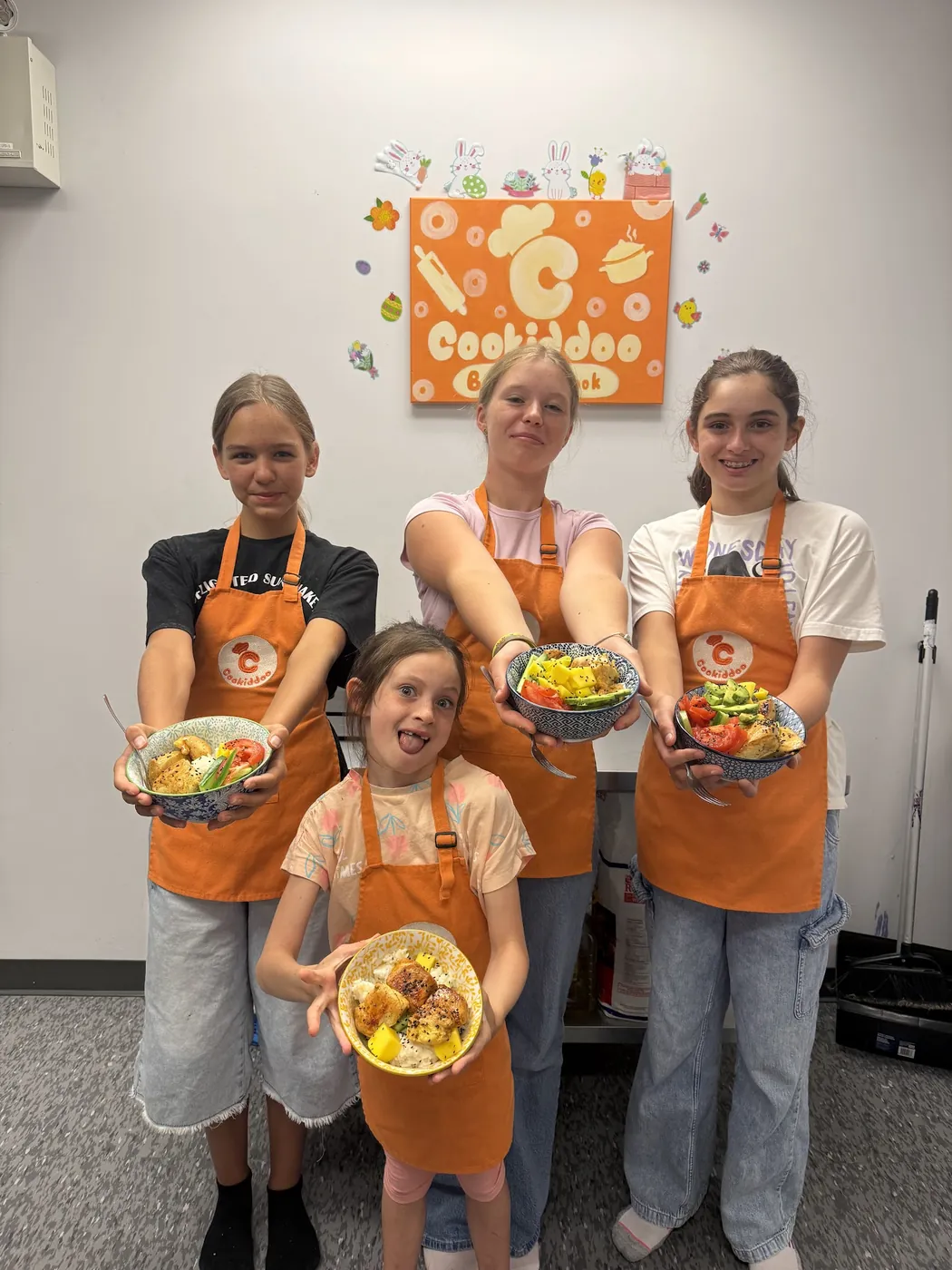
Cookiddoo teaches children aged 4 to 15 at families’ homes, schools and community centres across Ottawa and Gatineau. For a cooking birthday party at home, the team brings ingredients, utensils, gloves, aprons and portable equipment, sets up and cleans up; where there is no kitchen or oven, it switches to a no-cook menu. Parties start from $385 for 8 children, with $40 for each extra child, before HST.
The same mobile approach covers school and daycare programs, from $1,520 per group for a 4–6 week series, and community workshops. Children aged 8 to 13 can also join the Junior Chef Academy, a course of eight two-hour classes. For someone planning a similar schedule, that means school and community programs during the week and parties on the dates families choose.
Cookiddoo accepts expressions of interest from people who would like to run its programs in their own city. You apply with your city and background, Cookiddoo reviews whether your market and experience fit its current expansion plans, and if there is mutual interest you receive the information package. The documents your province requires come before any agreement or payment. Commercial terms are not published on the site. To begin, request the Cookiddoo franchise information package.
- Send a short application: who you are, your city and your experience.
- Cookiddoo reviews the fit and sends the information package.
- Any disclosure document your province requires comes before any agreement or payment.
This page is general information. Have a franchise lawyer review any actual agreement.
What Ottawa parents say
4.629 reviews on GoogleWe visited Cookidoo off-site class and my kids had the greatest time ever! They made chocolate cookies from scratch!
The cooking instructor was patient, kind and did an amazing job teaching the children (ages 4 to 8) and they enjoyed learning to make pizza as well as eating it.
The cooking class was fun, engaging, and organized for the kids. The instructors were patient, enthusiastic, and made every child feel included.

Cooking party at your home
from $385 for 8 kids · 2 hours, ages 4–15