


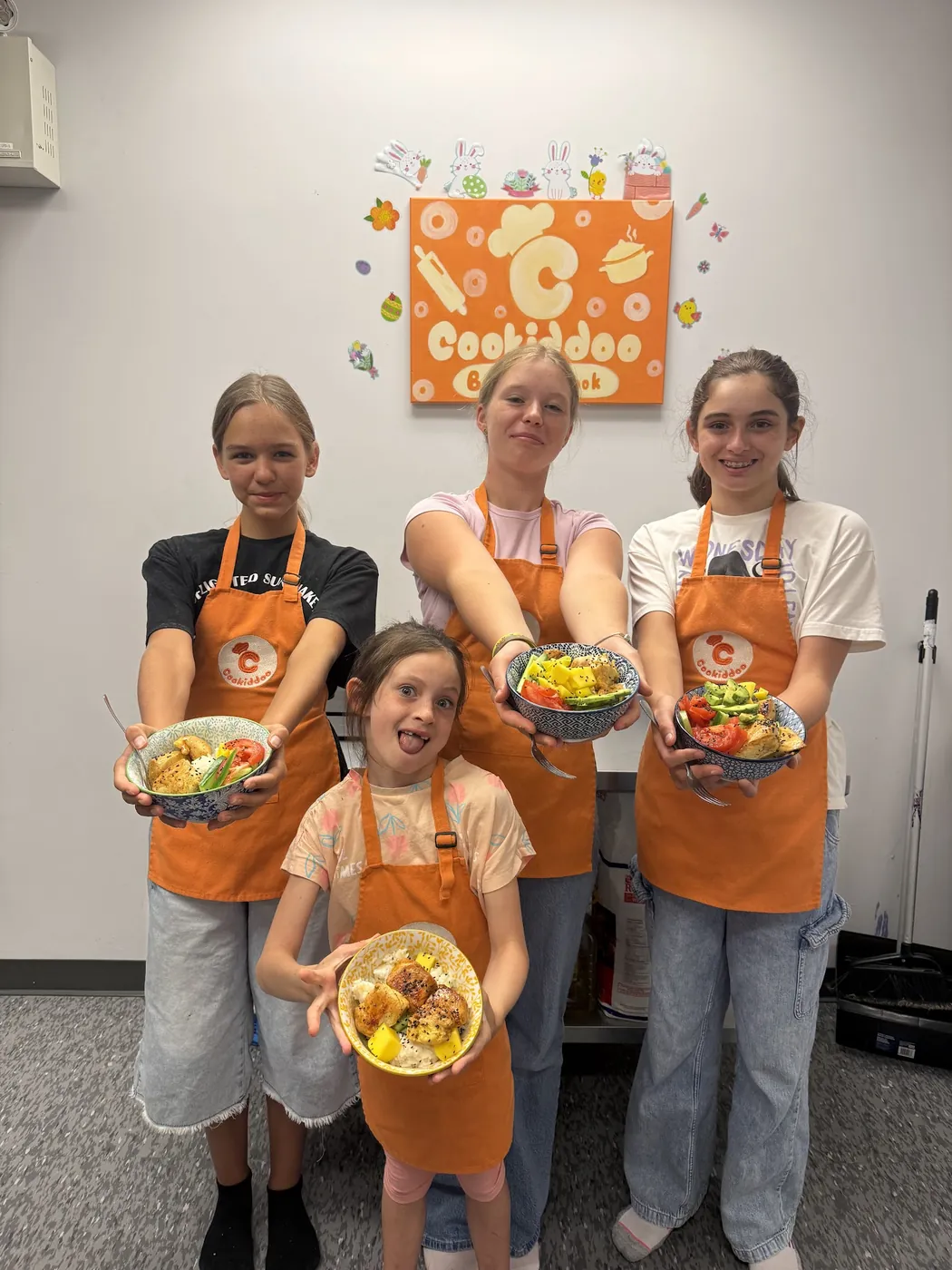
Cooking party at your home
from $385 for 8 kids · 2 hours, ages 4–15
Licensing vs franchising comes down to how much of the business the brand owner hands you and how much it steers. A licence usually lets you use a name, a curriculum or teaching materials for a payment, while a franchise usually adds an operating method, significant control or support, and continuing payments. In Ontario the Arthur Wishart Act (Franchise Disclosure), 2000 looks at what the deal actually contains, whatever the contract is called.
This guide is for parents, teachers and educators weighing a kids cooking program as a business. It covers the Ontario test, the arrangements the Act leaves out, Alberta’s wording for comparison, and three common set-ups for children’s programs, with questions to ask in each.
Franchise vs licence: the short answer
The two words describe common business patterns. The table shows the usual shape of each. Real contracts mix features, which is why the legal test further down matters more than the label.
| Licence (typical) | Franchise (typical) | |
|---|---|---|
| What you get | The right to use a trademark, curriculum, recipes or materials | The brand plus a method of operation: training, marketing, class format, booking tools, supplier rules |
| What you pay | A payment for the rights, once, per year or per use | A payment to join plus continuing payments to the franchisor while you operate |
| Control | Limited to how the name or material is used | Significant control over, or assistance with, how you run the business |
| Daily decisions | Mostly yours: prices, hours, marketing, venues | Shared with the franchisor’s system |
| Disclosure document | Required when the deal meets the provincial definition of a franchise | Required in provinces with a franchise statute, unless an exemption applies |
Seven provinces now have franchise disclosure legislation: Alberta, Ontario, Prince Edward Island, New Brunswick, Manitoba, British Columbia and Saskatchewan (Government of Saskatchewan, June 30, 2026). Ontario’s Act applies when the business is to be operated partly or wholly in Ontario (s. 2(1)), so an Ottawa or Toronto operator starts with the Ontario definition. Our overview of franchise laws in Canada by province compares the others.
What a licence usually covers, and what a franchise adds
A licence is permission to use something the owner holds. In children’s programs that is often a name or logo, a curriculum (lesson plans, recipe cards, worksheets), printed or digital materials, sometimes a certificate template. You pay for the permission and run the rest of the business your way: your prices, your schedule, your marketing, your booking system.
A franchise packages the permission with a method. The franchisor sets or supports how the business runs: training, marketing, the look and format of the classes, approved suppliers, booking and payment tools, reporting. The operator usually pays to join and keeps paying while operating. That structure can shorten the learning curve. It also narrows the decisions you make alone.
Ontario’s test: payment, brand and significant control or assistance
Ontario defines a franchise in section 1(1) of the Act. The starting point is a right to run a business where the operator is required, by contract or otherwise, to make a payment or continuing payments, direct or indirect, to the franchisor or its associate, either while operating the business or as a condition of acquiring the franchise or starting operations (s. 1(1), “franchise”).
Under the first branch of the definition, two more elements join that payment:
- Brand. The franchisor grants the right to sell goods or services substantially associated with a trademark, trade name, logo or other commercial symbol owned by or licensed to the franchisor or its associate (cl. (a)(i)).
- Control or assistance. The franchisor has the right to exercise, or exercises, significant control over the operator’s method of operation, or has the right to provide, or provides, significant assistance in it. The Act names examples such as locations, business organization, marketing techniques and training (cl. (a)(ii)).
When a required payment, the brand and significant control or assistance appear together, the arrangement fits these words, whatever the document is called. So a “curriculum licence” that requires a payment, puts the owner’s brand on your classes and comes with mandatory training and a marketing playbook can meet the Ontario definition of a franchise.
The second branch: distribution rights and location help
The definition has a second branch, which is sometimes called the business-opportunity branch (the Act itself does not use that phrase). It covers a required payment plus representational or distribution rights for goods or services supplied by the franchisor or a supplier it designates, with or without a trademark, combined with location assistance: securing retail outlets or accounts, or sites for vending machines, display racks and other product displays (cl. (b)). For a kids program, picture a company that sells you cooking kits to resell and also lines up the retail accounts where you sell them. That shape raises the franchise question even with no brand on your door.
Arrangements the Act leaves out, and who has to prove it
Section 2(3) lists relationships the Act does not apply to. Four of them matter most when people compare a licence and a franchise (s. 2(3)):
- an employer-employee relationship;
- a partnership;
- a trademark licence between a licensor and a single licensee, where that licence is the one licence of its general nature and type the licensor grants in Canada for that trademark;
- an arrangement arising from an oral agreement where no writing evidences any material term.
The single-licence exclusion is narrow. A brand that grants the same type of licence for its name to several operators in Canada falls outside its wording. The burden also matters: in any proceeding under the Act, the burden of proving an exemption or exclusion is on the person claiming it (s. 12). The full list of exemptions, including those tied to the size of the investment, is in our Arthur Wishart Act guide.
Alberta’s wording, for comparison
Alberta frames the test around a plan. Under its Franchises Act, RSA 2000, c F-23, s. 1(1)(d), a franchise is a right to run a business selling goods or services under a marketing or business plan prescribed in substantial part by the franchisor or its associate, substantially associated with the franchisor’s trademark, and involving either a continuing financial obligation together with significant continuing operational controls, or a direct or indirect payment to buy the franchise or to operate the franchised business (the Act defines that payment in s. 1(1)(f)).
The practical point is the same in both provinces. A licensor that writes your marketing plan and supervises how you deliver it moves toward the franchise side. If you will operate outside Ontario, read the definition in your own province.
Applied to a kids cooking program: three set-ups
Children’s cooking programs tend to take one of three shapes. The questions to ask change with each.
1. Curriculum only
You buy lesson plans, recipes and teaching notes and teach them under your own name. No required marketing, no system, no brand on your classes. This looks like a plain content licence.
- Can I teach the material under my own business name?
- Can I adapt recipes for allergies, nut-free rules and age groups?
- Do I pay once, per year, per class or per child?
- What happens to the material, and to my class menus, when the term ends?
2. Branded program in schools and community centres
You run classes under the owner’s name in schools, daycares or community centres, often with set menus and a set class format. Once the brand is on your classes, you pay for the right, and the owner trains you or controls how classes run, the Ontario elements start to line up.
- Is training mandatory, and who sets the class format?
- Who signs the school contracts, and who keeps the client list?
- Must I buy kits or ingredients from a designated supplier?
- Will the owner give a disclosure document, or explain in writing why the Act does not apply?
3. Full operating system
Brand, curriculum, booking and payment tools, marketing, supplier rules and reporting in one package. This is the classic franchise shape. In Ontario the disclosure document must describe the training and other assistance offered, whether training is mandatory, and who bears the cost of mandatory training (O. Reg. 581/00, s. 6).
- What exactly is in the system on day one, and what is still being built?
- What do I pay to start, and what do I pay on an ongoing basis?
- Which decisions stay with me: prices, menus, venues, staff?
Quick check before you sign
- Is any payment required to the brand owner or a company linked to it, now or later?
- Will your classes carry the owner’s name or logo?
- Does the owner train you, set your methods, approve your marketing or help choose your locations?
- Is every material term in writing?
If you answer yes to the first three in Ontario, expect a disclosure document, unless an exemption or exclusion applies. You must receive it at least 14 days before the earlier of signing the franchise agreement or any other agreement relating to the franchise, and paying any consideration relating to the franchise (s. 5(1)). Two carve-outs sit inside that rule: an agreement limited to confidentiality or to designating a location, site or territory (s. 5(1.1)), and a deposit that stays within the prescribed cap, is refundable without any deductions and does not bind you to sign a franchise agreement.
Franchise or independent business: what you keep and what you trade
Running your own kids cooking business, with no franchise and no licence, keeps every decision with you: name, menus, prices, ages and where you teach. It also means building everything yourself, from food safety routines to school outreach. A licence fills one gap, usually content. A franchise fills many gaps and asks for control and ongoing payments in return.
The Canadian Franchise Association advises doing due diligence with a franchise lawyer, accountant and banker, and speaking with other franchisees, suppliers, landlords and customers before deciding (CFA, Interested in buying a franchise). If you lean toward going independent, our guide on how to start a kids cooking class business in Ontario walks through food safety, checks for working with children and venues. For the brands already in this field, see kids cooking class franchises in Canada.
Where Cookiddoo stands
Cookiddoo runs kids cooking programs in Ottawa and Gatineau: cooking birthday parties at home from $385 for 8 kids, school and daycare programs from $1,520 per group, and the Junior Chef Academy course for ages 8–13 in Westboro. Its class archive lists 48 past class menus, and most of them can be requested for a party at home or a school workshop.
Cookiddoo is reviewing interest from people who want to bring this kind of program to their own community. The structure for that expansion is still being confirmed: franchise, licence or another form. The information package will name it and describe what is included, and any document your province requires comes before any agreement or payment. If you want to be considered, request the Cookiddoo franchise information package.
This article is general information about Canadian franchise law, based on the sources linked above as checked on October 26, 2026. It is no substitute for legal advice. Have a franchise lawyer review any actual agreement or disclosure document before you sign or pay.
- Send a short application: who you are, your city and your experience.
- Cookiddoo reviews the fit and sends the information package.
- Any disclosure document your province requires comes before any agreement or payment.
This page is general information. Have a franchise lawyer review any actual agreement.
What Ottawa parents say
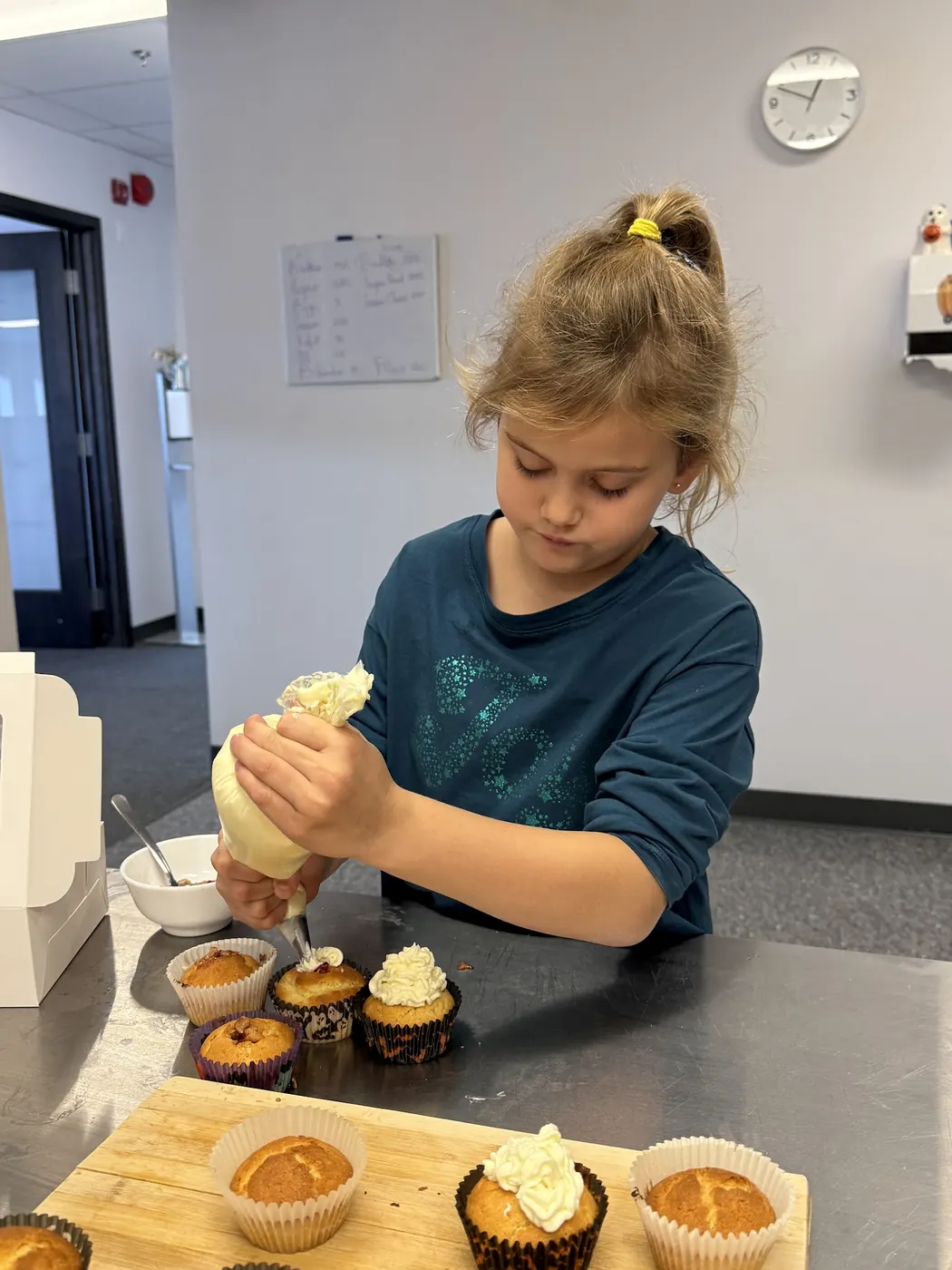
4.629 reviews on GoogleWe visited Cookidoo off-site class and my kids had the greatest time ever! They made chocolate cookies from scratch!
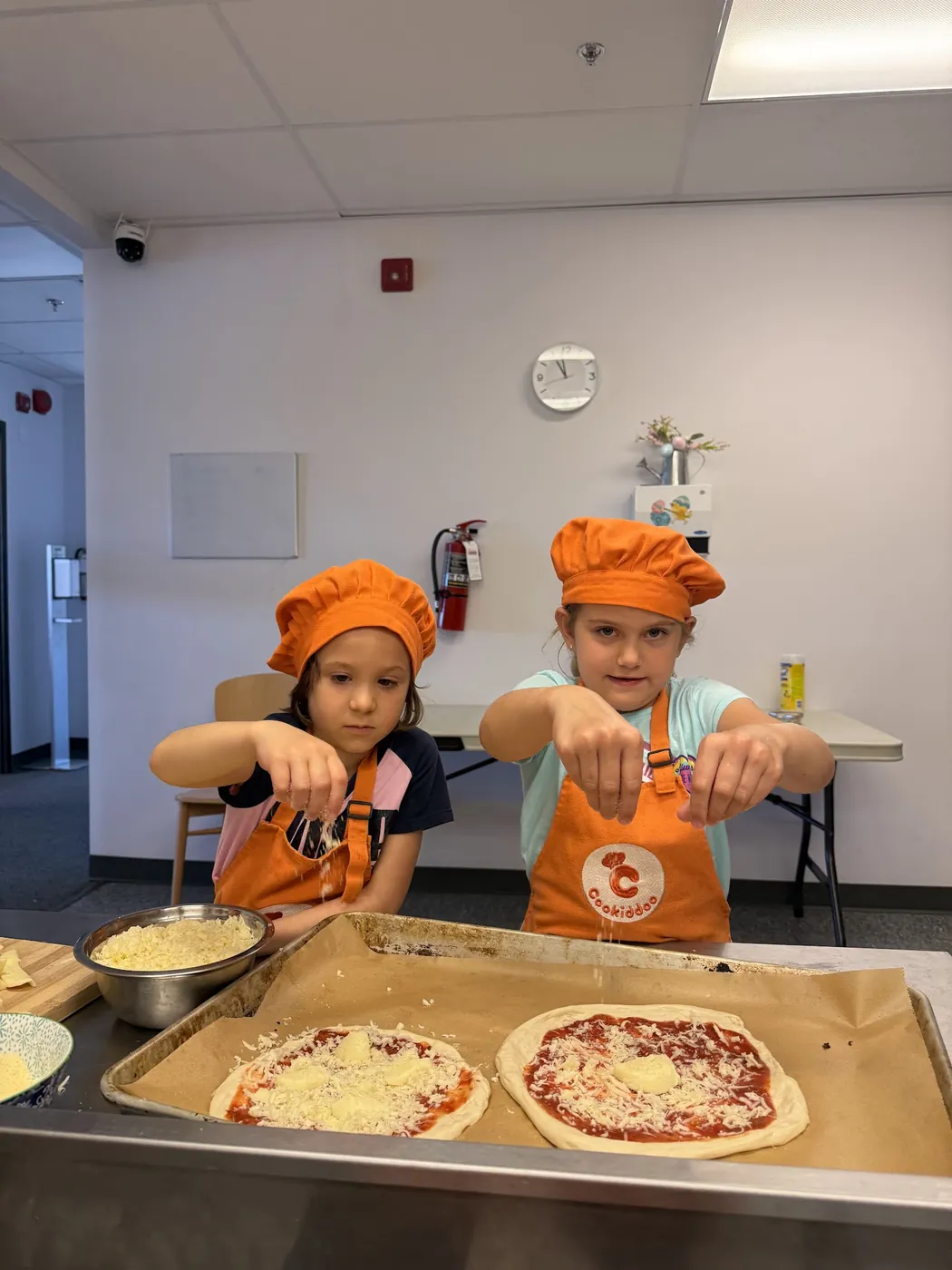
The cooking instructor was patient, kind and did an amazing job teaching the children (ages 4 to 8) and they enjoyed learning to make pizza as well as eating it.
The cooking class was fun, engaging, and organized for the kids. The instructors were patient, enthusiastic, and made every child feel included.

Cooking party at your home
from $385 for 8 kids · 2 hours, ages 4–15