


Junior Chef Academy
$680 + HST · Ages 8–13, up to 10 kids
A kids cooking class franchise is a deal where you pay a brand for the right to run children’s cooking classes under its name, with its recipes, training and booking methods. Of the five brands covered below, one, Little Kitchen Academy, is based in Canada and lists academies here; the other four describe networks in the United States or the United Kingdom.
This guide maps the three ways these businesses operate, the brands on the market with dated facts from their own websites, the checks to make before you sign or pay anything, and how Cookiddoo runs kids cooking programs in Ottawa today.
What a kids cooking class franchise is, in plain words
Three things come together in a franchise. You make payments to the franchisor, at the start, while you operate, or both. You sell classes under the franchisor’s brand. And the franchisor gives you its way of running the business: curriculum, recipes, training, marketing and often booking software.
Ontario’s Arthur Wishart Act (Franchise Disclosure), 2000 describes the same package in section 1. Its definition starts with a required payment, or a commitment to payments, to the franchisor or its associate, and, in its main branch, adds the right to sell goods or services substantially associated with the franchisor’s trade-mark and significant control over, or significant assistance in, how you operate.
What the contract does matters more than what it is called. An agreement titled “licence” can still meet that definition. The guide on franchising vs licensing covers that line, and the Arthur Wishart Act explainer walks through Ontario’s rules in order. If you are still choosing between cooking, tutoring, coding or sports, start with kids education and activity franchises in Canada.
Three operating models
Every kids cooking business answers one question first: where do the children cook? The answer decides the rent, the permits, the staff you hire and how much of your week goes to driving.
| Model | Where children cook | What you need | Brand examples |
|---|---|---|---|
| Storefront academy | A space you lease and fit out | Lease, build-out, equipment, food premise approval, weekly class schedule | Little Kitchen Academy, The Real Food Academy |
| On-site and mobile | Schools, camps, libraries, community spaces, homes | Vehicle, portable equipment, booking across many addresses, fast setup and cleanup | Sticky Fingers Cooking, Cook Stars |
| Mixed | A fixed location plus off-site parties and programs | Both lists above | Decided operator by operator |
Storefront academy
Classes run in a dedicated space that the franchisee leases and fits out. The Real Food Academy, for example, says it gives franchisees site selection and build-out guidance to its design specifications. Little Kitchen Academy runs its classes at academies with street addresses in its location finder.
The requirements come before the first class. In Ottawa, public health approval is required before a food premise opens, and owners must notify Ottawa Public Health at least 14 days in advance. Ontario’s food premises regulation (O. Reg. 493/17, s. 32) requires every food service premise to have a food handler or supervisor with food handler training on site during every hour it operates. Your public health unit decides whether your space is treated as a food premise. The upside is control: your room, your schedule and weekly classes where parents drop children off at a fixed address.
On-site and mobile
The instructor travels to where children already are. Sticky Fingers Cooking describes classes at schools, camps, libraries and community spaces, with no storefront and no build-out. In the UK, Cook Stars franchisees run cookery classes and parties and work with schools, councils, charities and community groups.
Rent drops out of the budget, and logistics take its place: a vehicle, portable equipment, a booking system that copes with many addresses, and staff who can set up and clean up quickly. Whether a given class or party counts as a food service premise under Ontario’s regulation is a fact-specific question for the local public health unit, and the regulation does not name mobile children’s cooking parties. Ask your unit before you launch. Count travel time as working time when you price each booking.
Mixed
A mixed operation keeps a fixed location for regular classes and sends instructors out for parties, school programs and events. It carries both sets of requirements: the lease and food premise approval of a storefront, plus the vehicle, scheduling and travel of a mobile team. If you are weighing it, cost each half separately. The guide on what it costs to open a kids cooking business in Canada goes through the cost lines for each format.
Who is on the market: five brands, checked October 26, 2026
Search Google from Canada for a kids cooking franchise and most results lead to American and British brands. The table records what each brand’s own website said on October 26, 2026. Networks change, so treat it as a dated snapshot and check again before you contact any of them.
| Brand | Home market | Format, in the brand’s words | Canada | Source |
|---|---|---|---|---|
| Little Kitchen Academy | Vancouver, Canada | Montessori-inspired cooking school for ages 3 to 18 | 4 academies in Canada (North Vancouver, two in Vancouver, Oakville) and 3 in the US in its location finder | locations page |
| Young Chefs Academy | United States | Classes from kindergarten through high school on a proprietary STEAM-based curriculum | Franchise page lists US locations and does not mention Canada | franchise page |
| Sticky Fingers Cooking | United States, founded 2011 | On-site classes at schools, camps, libraries and community spaces; no storefront | Markets territories in US states; page does not mention Canada | franchise site |
| The Real Food Academy | United States | Fixed location built to the brand’s design specifications | Says it is expanding across the United States | franchise page |
| Cook Stars | United Kingdom | Classes, parties and workshops with schools and community groups, ages 2 to 17 | Says it has 75+ franchisees across the UK | franchise site |
Little Kitchen Academy: a Canadian brand, with dates
Little Kitchen Academy is based in Vancouver and calls itself a Montessori-inspired cooking school for ages 3 to 18. Two dates matter when you read about it. In an August 31, 2020 release, the brand announced two multi-unit deals to add 62 franchises between 2020 and 2025: 29 in British Columbia and 33 in Oregon and Washington State. That was an announcement of planned units. On October 26, 2026, its location finder listed seven academies: four in Canada and three in the United States.
Its About timeline names Oakville and South Surrey as its first two franchise locations; South Surrey does not appear in the location finder today. The 2020 release also said the brand was seeking multi-unit franchisees and development partners in British Columbia, Ontario and Alberta. On October 26, 2026 we found no franchise recruitment page on its website, so ask the company directly what it offers now.
The US and UK brands
Young Chefs Academy’s franchise page pitches a scalable business built on a proprietary STEAM-based curriculum and lists locations in US states such as Colorado, Pennsylvania and Texas; on the day we checked it gave no cost figures and did not mention Canada. Sticky Fingers Cooking, founded in 2011, markets territories across US states. The Real Food Academy describes its expansion across the United States. Cook Stars says it is the UK’s largest children’s cookery franchise, with more than 75 franchisees teaching children aged 2 to 17; that is the company’s own description.
A brand based abroad can still sell a unit in Canada. Ontario’s Act applies when the franchised business is to be operated partly or wholly in Ontario (section 2(1)), so a US franchisor offering an Ontario unit follows Ontario’s disclosure rules. Before you spend time on a foreign brand, ask whether it grants Canadian units at all and whether it has prepared documents for your province.
What to check before you commit
The list below applies to any kids cooking franchise, Canadian or foreign. It runs in the order problems tend to show up: the law, then people, then money.
- Disclosure on time. Seven provinces have franchise disclosure laws: Alberta, British Columbia, Manitoba, New Brunswick, Ontario, Prince Edward Island and, since June 30, 2026, Saskatchewan. In Ontario you must receive the disclosure document at least 14 days before the earlier of two events: signing the franchise agreement or any other agreement relating to the franchise, and paying any consideration for it (section 5(1)). The Act carves out narrow exceptions, such as a confidentiality agreement or a capped, fully refundable deposit that does not bind you to sign. The other six provinces also set a 14-day window. Quebec is not on that list and has no franchise disclosure statute comparable to the seven provinces; agreements there fall under the general contract rules of the Civil Code of Québec. Details by province are in franchise laws in Canada by province.
- Read the whole document. Ontario’s regulation (O. Reg. 581/00) requires the document to include, in one section at its beginning, a statement that independent legal and financial advice should be sought. It must also list every licence or permit you need, the training on offer and who pays for mandatory training, the Ontario franchisees who left the system in the last fiscal year, and the reasons for each closure over the last three fiscal years. The disclosure document checklist takes you through it section by section.
- Talk to current and former franchisees. The same regulation requires the document to encourage you to contact current or previous franchisees. The Canadian Franchise Association also suggests speaking with suppliers, landlords and customers, and doing your due diligence with a franchise lawyer, an accountant and a banker.
- Working capital. The CFA asks buyers whether they have working capital and emergency capital to keep earning a living in slower times, beyond the money needed to open. Children’s programs move with school terms, holidays and camp season, so map your expected months before you sign.
- Revenue claims. The CFA notes that a franchisor cannot assure a specific revenue or income for a location, and it calls overpromising or talk of untold riches a huge red flag. In Ontario, if a franchisor provides an earnings projection, the disclosure document must state its reasonable basis, its assumptions and where you can inspect the supporting information.
- Every cost line in writing. Ask for each payment to the franchisor, plus equipment, the vehicle or the lease, insurance and staff. The costs guide lists what to ask for.
- Local rules for your format. Ask your public health unit how your format is treated, and plan police record checks for every instructor. In Ottawa the Vulnerable Sector Check is reserved for people in positions of authority or trust relative to vulnerable persons; residents of other cities apply through their local police service.
This section is general information. Have a franchise lawyer review any disclosure document and agreement before you sign or pay.
Franchise, licence or your own program
There are three ways to run kids cooking classes with outside help, and they differ in what you pay for and who controls the method.
- Franchise. You pay the franchisor, use its brand and follow its operating system. In the seven provinces with franchise laws you receive a disclosure document before you sign or pay.
- Licence. You pay to use a curriculum, recipes or a brand, usually with less control from the owner. When an arrangement combines a required payment, the right to sell under the owner’s trade-mark and significant control or assistance, it can fit Ontario’s definition of a franchise whatever the contract is called. See franchising vs licensing.
- Your own program. You write the curriculum, set prices, register the business and handle food safety and background checks yourself. The guide on how to start a kids cooking class business in Ontario goes through the steps.
For low-overhead options beyond cooking, read low-cost, home-based and mobile franchise ideas in Canada. For financing and local permits, see starting a franchise in Ottawa.
How Cookiddoo works in Ottawa today
Cookiddoo started in Ottawa in 2025 and runs an on-site model: children aged 4 to 15 cook from scratch at home, at school or at a community centre, led by Cookiddoo instructors. The service area is Ottawa and Gatineau. These are the formats and prices published on cookiddoo.com on October 26, 2026:
- Cooking birthday parties at home. Two hours, from $385 for 8 children and $40 for each extra child, prices before HST. The instructor brings ingredients, utensils, aprons and portable equipment, sets up and cleans up. When a home has no kitchen or oven, the menu switches to no-cook recipes. Party details.
- School and daycare programs. From $1,520 per group for a 4 to 6 week series and from $3,040 for 8 to 10 weeks, with one-time workshops on request. Up to 10 children per instructor, an assistant from 11 children, 30 children at most per session. Programs for schools and daycares.
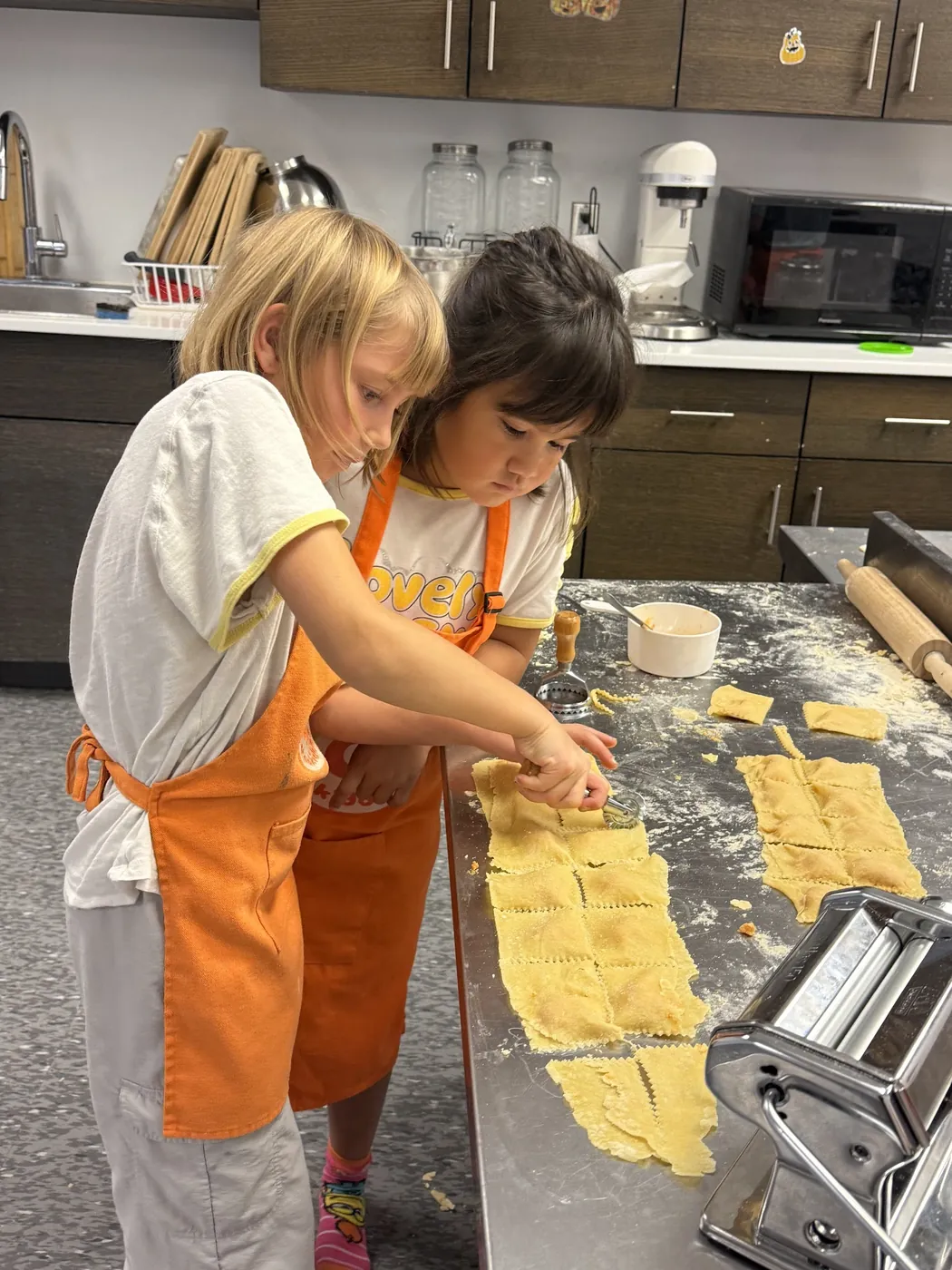
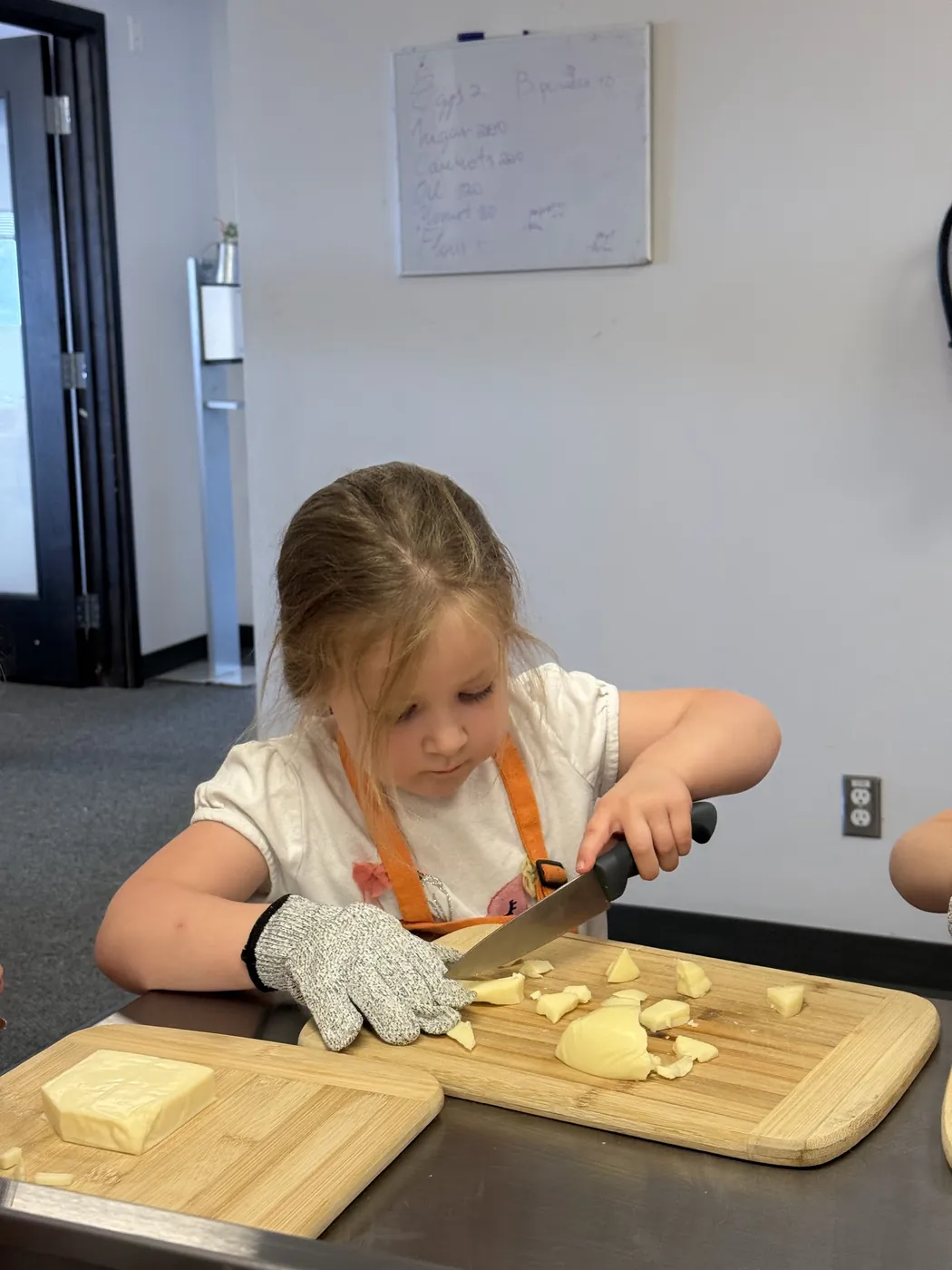
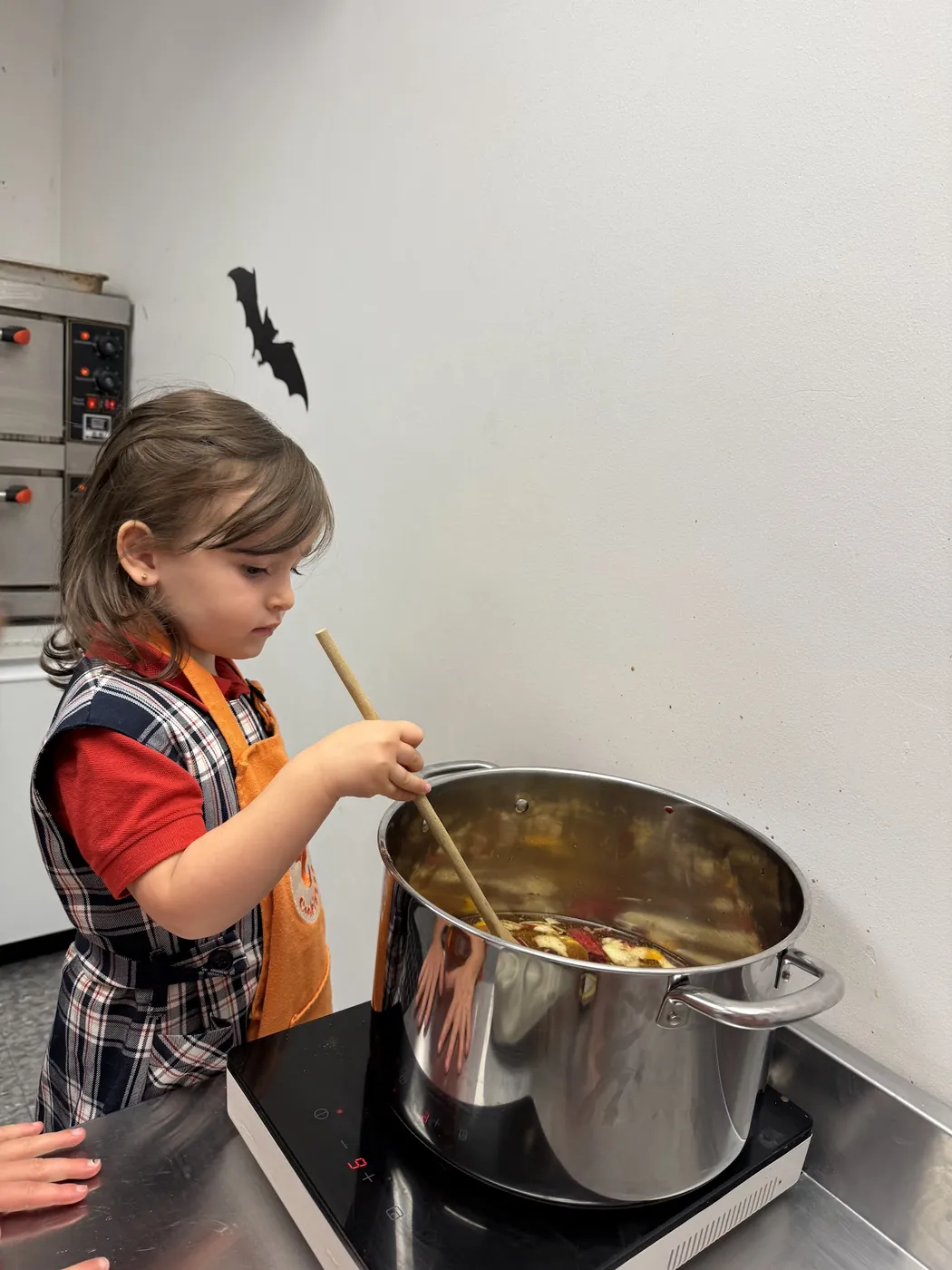
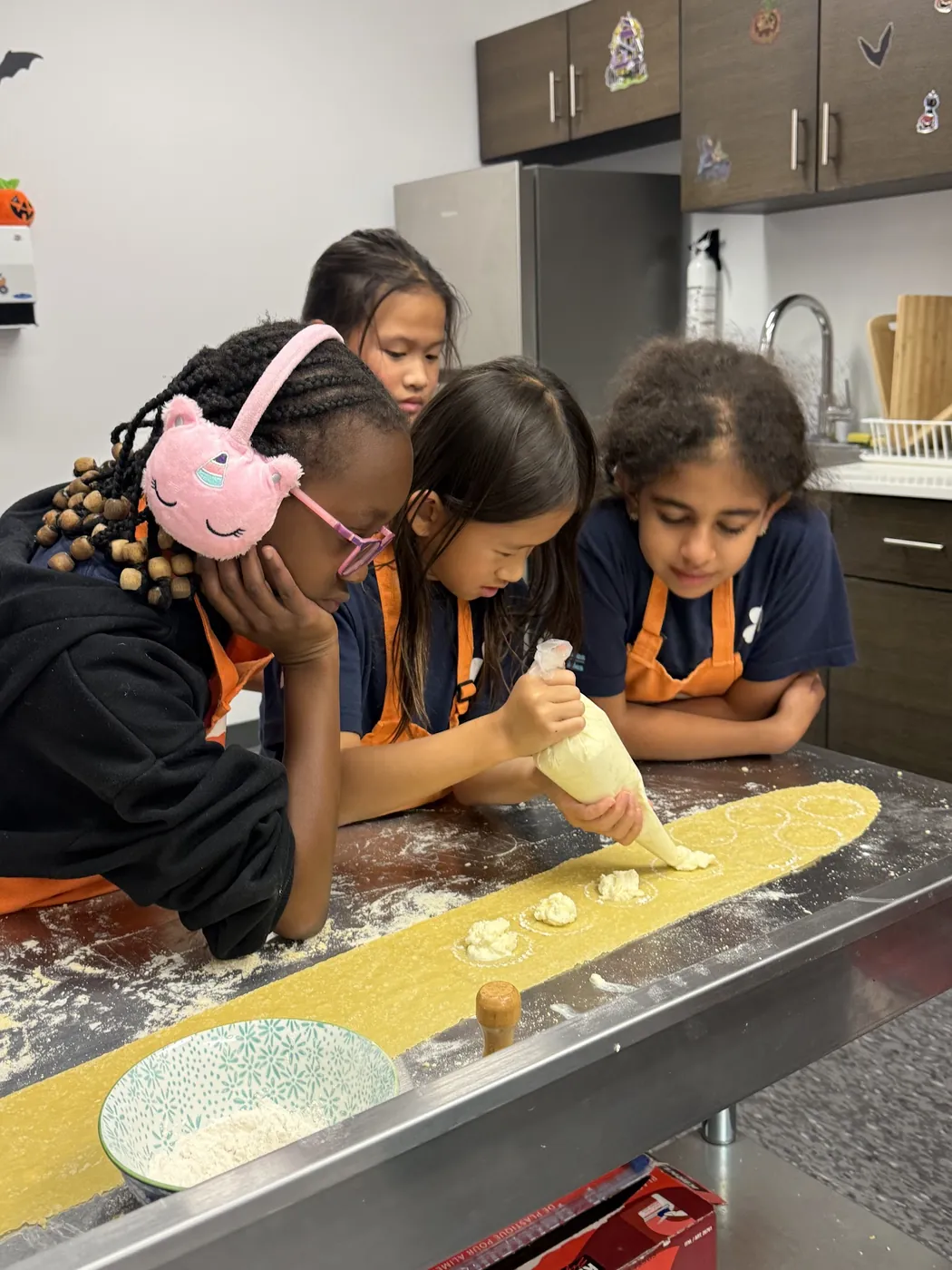
- Junior Chef Academy. A multi-week course for ages 8 to 13, in groups of up to 10 children. Course page.
- Master classes and gift cards. Hands-on classes of about two hours for ages 4 to 15, and gift cards families can give. Master classes.
Instructors hold Food Handler certification, run nut-free protocols and start knife skills at age 7. Sessions run in English or French, so French-stream and immersion classes cook in the language they learn in.
Where Cookiddoo’s expansion stands
Cookiddoo wants to hear from people who would like to bring its programs to their city. The structure, the commercial terms and the support level are still being set, and none of them are published on the website. An application works like this today:
- You send a short application with your city, province and background.
- Cookiddoo reviews whether your market and experience fit the current expansion scope.
- If there is mutual interest, you receive the current information package.
- Any legal documents your province requires, including a disclosure document where the law calls for one, come before any agreement or payment.
Cookiddoo publishes no cost figures. To start, request the Cookiddoo franchise information package.
All guides in this series
- Kids education and activity franchises in Canada: categories and how to compare them
- Franchise laws in Canada by province: who must disclose, and Quebec
- Arthur Wishart Act explained: Ontario’s rules for first-time franchisees
- Franchise disclosure document: a reading checklist
- Franchising vs licensing: which fits a kids cooking program
- What it costs to open a kids cooking business in Canada
- How to start a kids cooking class business in Ontario
- Low-cost, home-based and mobile franchise ideas in Canada
- Starting a franchise in Ottawa: financing, permits, questions
- Send a short application: who you are, your city and your experience.
- Cookiddoo reviews the fit and sends the information package.
- Any disclosure document your province requires comes before any agreement or payment.
This page is general information. Have a franchise lawyer review any actual agreement.
What Ottawa parents say
4.629 reviews on GoogleMy son attended several cooking classes at Cookiddoo, and he loved every one of them. He’s now a much more confident and capable helper in the kitchen, which has been amazing to see.
The instructors were incredibly engaging and patient with the kids. It is a wonderful, interactive way for children to learn new skills and build confidence in the kitchen.
My daughter attended one of their classes and made a delicious lasagna completely from scratch. I was truly impressed with what she accomplished.
Junior Chef Academy
$680 + HST · Ages 8–13, up to 10 kids