


Cooking party at your home
from $385 for 8 kids · 2 hours, ages 4–15
This guide sorts kids franchises in Canada into four broad categories: tutoring, coding and STEM, cooking, and movement programs such as sports, dance or gymnastics. Each one runs either from a storefront that families visit or on-site at schools, camps, community centres and homes, and that choice shapes your costs, your calendar and the staff you need.
This guide is for parents, teachers, coaches and camp leaders who want a business with kids and have not picked a niche yet. Brands appear here as examples of formats, each with a link to its own site. Published cost figures for kids cooking brands sit in a separate page, our kids cooking business cost breakdown, so this page stays on the choice of category.
The main categories of children’s franchises in Canada
Every category teaches something different, yet the business questions repeat: where the classes happen, which months are busy, who you hire and what the province requires before you sign.
Tutoring and academic support
Tutoring franchises help school-age children with reading, writing, math and study habits, usually after school and on weekends, from a neighbourhood location. The tutoring brand Oxford Learning says it has opened over 125 locations across Canada since 1984. If you are researching the Oxford Learning franchise, that history in Canada is one point to weigh against newer brands, and its own franchise site is the place for current terms.
Coding and STEM
Coding and STEM franchises teach programming, robotics or game design in small groups. Code Ninjas describes its locations, which it calls Dojos, as typically 1,200 to 1,800 sq ft in a neighbourhood or community retail strip centre. That is a storefront model: a lease, a fit-out and fixed opening hours. The brand’s franchise site names no country, so a Canadian buyer researching the Code Ninjas franchise should ask which documents apply in their province.
Cooking
Kids cooking brands split into fixed academies and mobile programs. Little Kitchen Academy calls itself a Montessori-inspired cooking school for ages 3 to 18, and its location finder lists four Canadian academies, in North Vancouver, Vancouver and Oakville. Sticky Fingers Cooking works the other way: its franchisees teach at schools, camps, libraries and community spaces, with no storefront. Cook Stars, a UK brand, has franchisees who run classes and parties for ages 2 to 17 and work with schools, councils, charities and community groups. Young Chefs Academy says its programs carry students from kindergarten through high school. We cover this category in more depth in kids cooking class franchises in Canada.
Movement: sports, dance, gymnastics
Movement programs need open floor space more than equipment. You either lease that space or rent gyms, school halls and community centre rooms by the hour. This guide gives no brand example for this category; run any movement brand through the same comparison checklist further down this page.
Storefront or on-site: what changes
The biggest split between kids franchises sits outside the curriculum. A storefront brand asks you to sign a lease and build out a room. An on-site brand asks you to travel to the children, carrying everything with you.
| Question | Storefront | On-site (mobile) |
|---|---|---|
| Where classes happen | Your leased location | Schools, daycares, camps, community centres, homes |
| Fixed costs you carry | Rent, fit-out, utilities, signage | Vehicle, portable equipment, storage |
| Who sets the schedule | You publish class times | Hosts book dates around their own calendar |
| Capacity limit | Room size and seats | Instructors available and travel time between sites |
| Empty hours | School hours, when most children are in class | Daytime can go to daycares and school sessions |
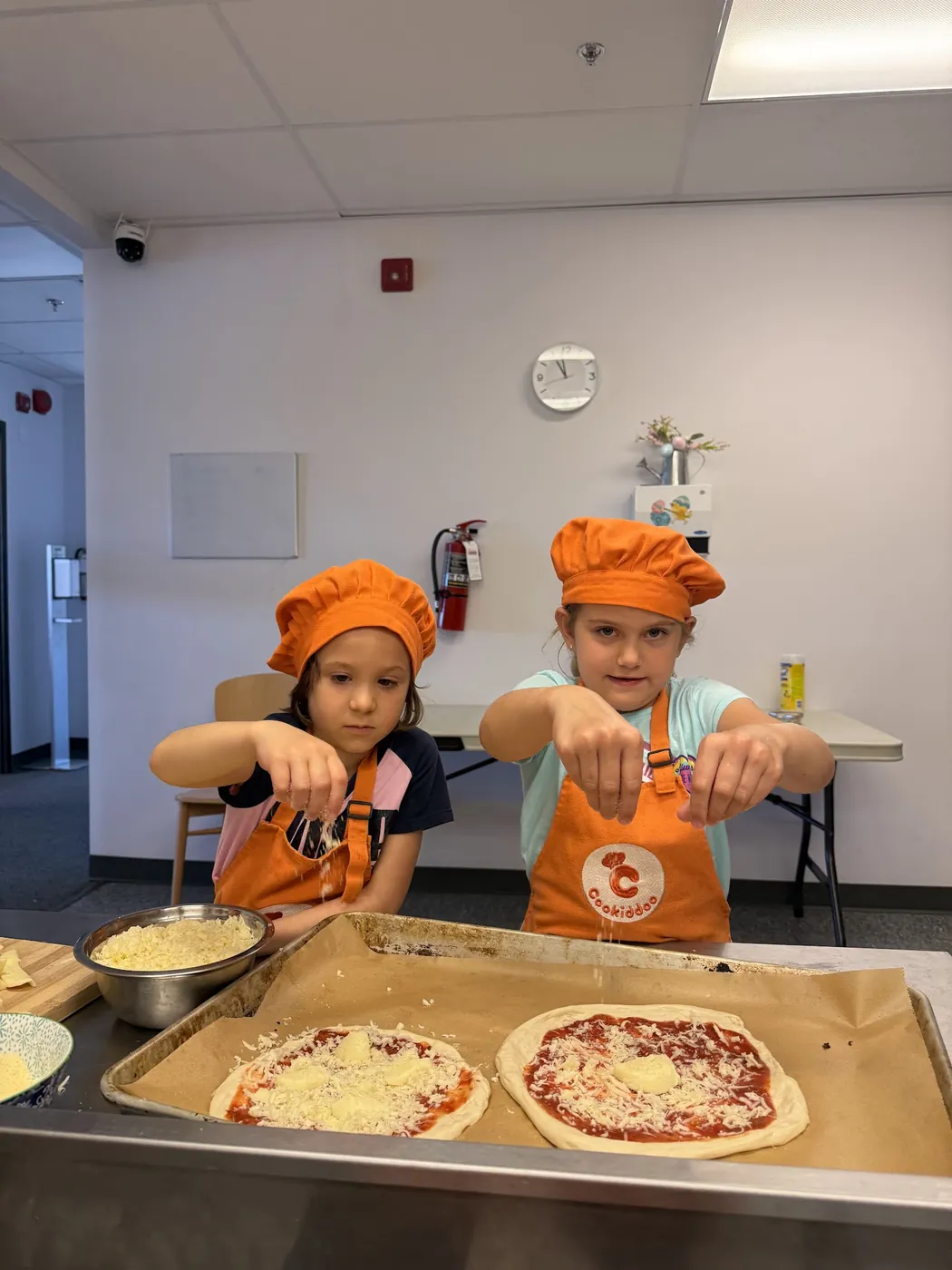
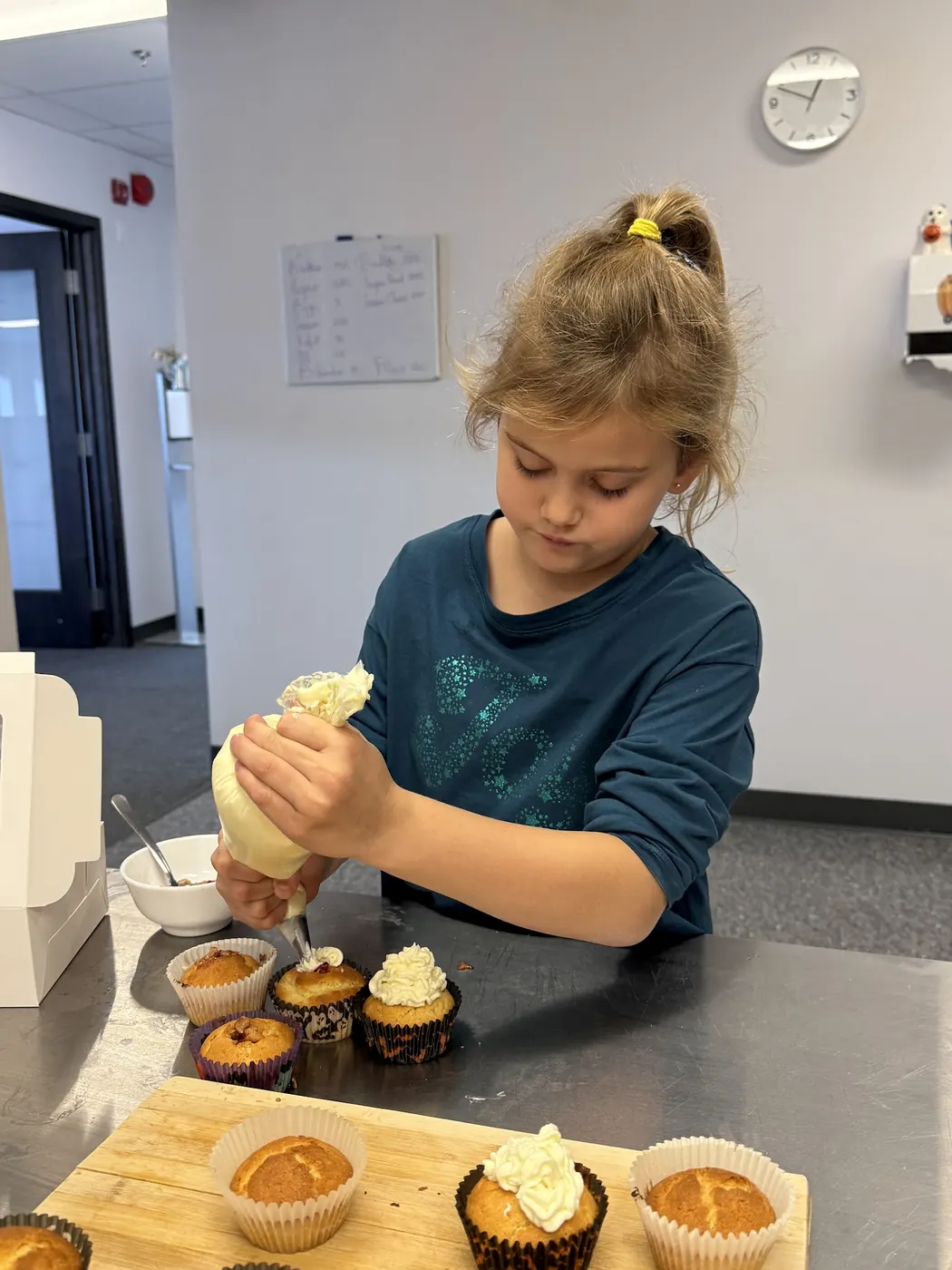
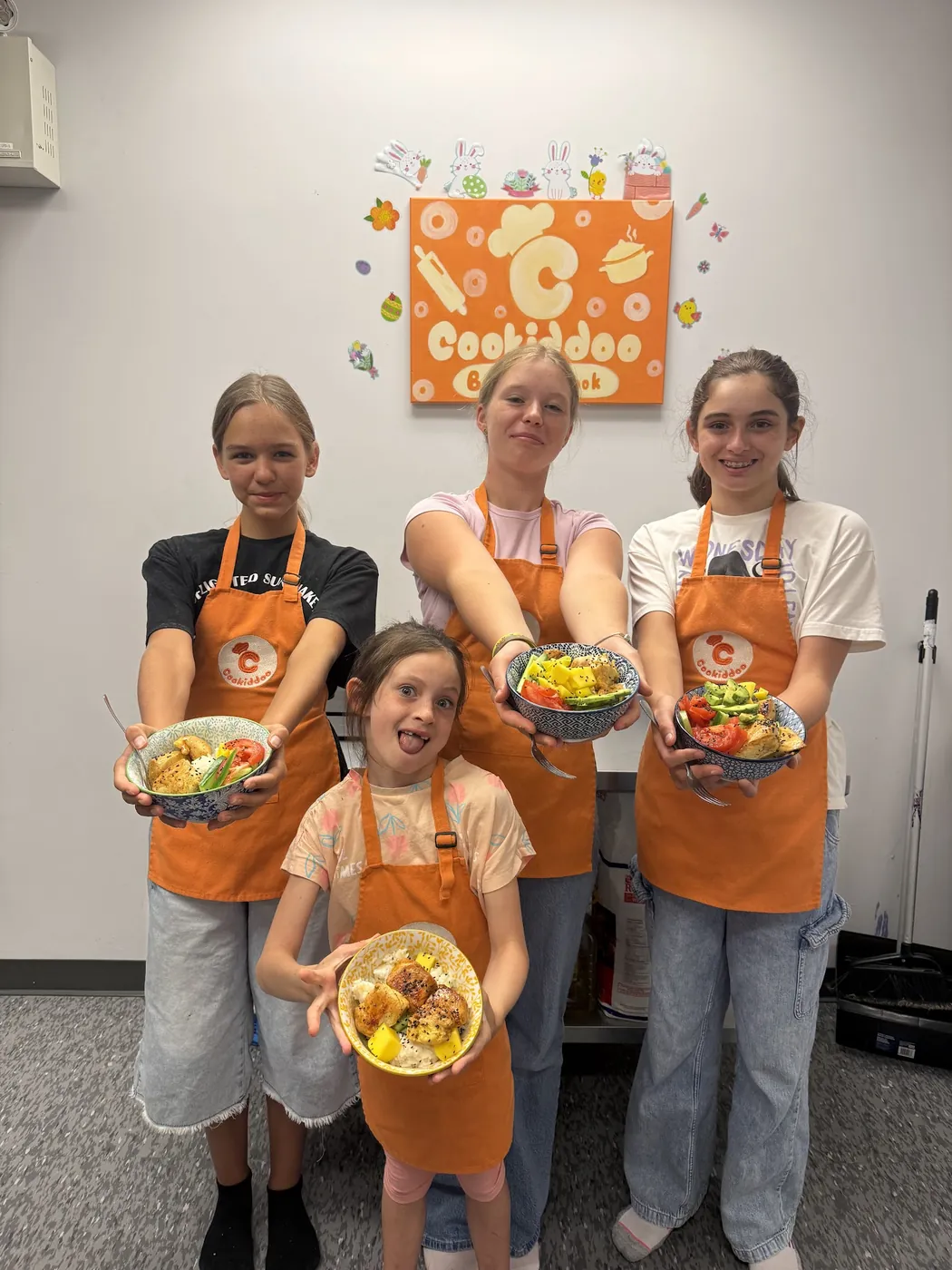
Cookiddoo’s programs in Ottawa run on-site. It teaches children ages 4 to 15 at homes, schools and community centres, and for a home party it brings ingredients, tools and portable equipment, sets up and cleans up, switching to a no-cook menu when a home has no usable kitchen. For more home-based and mobile models across categories, read low-cost, home-based and mobile franchise ideas in Canada.
The school calendar sets your year
Whatever the category, children are free in predictable windows, and your income follows those windows.
- School terms. Schools and daycares book series of sessions. Cookiddoo’s school and daycare programs run as 4–6 or 8–10 week series, priced from $1,520 per group for the shorter series. A storefront tutoring or coding brand sells the same weeks as weekly after-school enrolment.
- PA days. Each school board publishes its own professional activity days. Cookiddoo built its PA-day planning page from the 2026–27 calendars of two Ottawa English-language boards, the OCDSB and the OCSB. In a new city, read your boards’ calendars before you plan a single camp day.
- Summer and camps. Day camps buy outside programs as well as running their own. Cookiddoo offers workshops for community centres, day camps, libraries and youth clubs, either one-time or as a short series.
- Weekends. Birthday parties fill Saturdays first. Cookiddoo asks families to book 2–3 weeks ahead, and 4–6 weeks for Saturdays and holiday weekends.
The staffing consequence is the same in every category: most of your teaching hours fall after 3 pm, on weekends and in summer. Plan for part-time instructors who want those hours, and for the stretch of school weekdays when a storefront still pays rent.
Working with children: checks, ratios and food safety
Police checks. In Ottawa, the police service explains that a Vulnerable Sector Check is meant for people seeking employment or volunteering in a position of authority or trust relative to vulnerable persons, and that the basic Level 1 criminal record check is not intended for that work. Ottawa Police issues checks to Ottawa residents only, so each instructor applies through the police service where they live. Build the wait for these checks into your hiring plan.
Ratios. Ask every brand for its child-to-instructor ratio and who pays the second adult. Cookiddoo’s own rule for school sessions is up to 10 children per instructor, an assistant from 11 children and a maximum of 30.
Food. Cooking adds a food safety layer. Ontario’s food premises regulation, O. Reg. 493/17, section 32, requires every operator of a food service premise to have at least one food handler or supervisor with food handler training on site during every hour it operates. Whether a mobile class or a home party counts as a food service premise is a question for your local public health unit. Ottawa Public Health describes its food handler course as relevant to people working directly with children, and Cookiddoo’s instructors hold Food Handler certification.
Comparison grid: example brands by format
The grid below uses only what each brand’s own site said on October 26, 2026. Blank facts are marked “ask”: they are questions for the brand.
| Brand (example) | Category | Ages | Format | Canada, per its own site |
|---|---|---|---|---|
| Oxford Learning | Tutoring | Ask | Locations families visit | Over 125 locations since 1984 |
| Code Ninjas | Coding | Ask | Dojo of 1,200–1,800 sq ft in a retail strip centre | Franchise site names no country |
| Little Kitchen Academy | Cooking | 3–18 | Fixed academies | Four academies in BC and Ontario; no franchise recruitment wording on its homepage or location finder |
| Sticky Fingers Cooking | Cooking | Ask | On-site, no storefront | Territories in US states; Canada not mentioned |
| Cook Stars | Cooking | 2–17 | Classes, parties, schools, community groups | UK brand |
| Young Chefs Academy | Cooking | Kindergarten to high school | Brand locations | Locations listed are in US states |
What the grid cannot tell you: a checklist
- Disclosure in your province. Seven provinces have franchise disclosure laws: Alberta, Ontario, Prince Edward Island, New Brunswick, Manitoba, British Columbia and Saskatchewan. In Ontario, the Arthur Wishart Act (Franchise Disclosure), 2000 says you must receive the disclosure document at least 14 days before the earlier of two steps: signing the franchise agreement or another agreement relating to the franchise, and paying the franchisor or its associate anything for the franchise. The Act lists narrow exceptions, such as an agreement that only keeps information confidential, or a deposit that stays under the prescribed amount, is refundable without deductions and does not bind you to sign. Quebec is absent from that list of seven. Our guide to franchise laws in Canada by province covers each one.
- Training. How long, where, and who pays for travel and for training new instructors later.
- Franchisees you can call. The Canadian Franchise Association advises you to do due diligence with a franchise lawyer, accountant and banker, and to speak with other franchisees, suppliers, landlords and customers.
- Working capital. The same CFA page asks whether you have working capital and emergency capital to keep earning a living in slower times, beyond the money to open.
- Age range and curriculum. Match the brand’s ages to the children you want to teach, and ask to see a full term of lesson plans.
- Ratios and checks. The brand’s ratio, and who runs police checks and food handler training for new staff.
This page is general information. Have a franchise lawyer review any disclosure document or agreement before you sign or pay.
Where to find brands, and what a listing tells you
Three places list franchises for Canadian buyers:
- The Canadian Franchise Association is a national not-for-profit association of approximately 650 corporate members. Its members get a listing on LookForaFranchise.ca and in the annual Franchise Canada Directory.
- Franchise Direct describes itself as an online lead-generation platform founded in 1998 that connects entrepreneurs with franchisors looking for investors.
- BeTheBoss.ca lists franchises and businesses for sale and states 26+ years in business and 1k+ franchise brands served.
A listing gives you a brand name, a category and a contact form. It is the brand’s marketing. The terms that bind you appear in the disclosure document and the agreement, and the experience of current owners comes from calling them. Brands also change course: on October 26, 2026, Little Kitchen Academy’s homepage and location finder carried no franchise recruitment wording, so ask any brand whether it is selling units in your province right now.
Kids cooking as a category, and where Cookiddoo fits
Cooking sits between the categories above. It teaches a practical skill, like tutoring and coding, and it works as an event, like a party or a camp day. It also adds food safety and allergy rules that a coding class never meets.
Cookiddoo runs cooking programs in Ottawa for children 4 to 15, in English or French. Its current formats are mobile cooking birthday parties at home, from $385 for 8 children with $40 per extra child; school and daycare programs; the Junior Chef Academy course for ages 8 to 13; workshops for community centres and camps; and corporate family days priced by quote.
Cookiddoo accepts expressions of interest from people who want to bring these programs to their city. You apply, Cookiddoo reviews whether your market and experience fit, and it sends an information package. Any disclosure document your province requires comes before any agreement or payment. To start, request the Cookiddoo franchise information package.
- Send a short application: who you are, your city and your experience.
- Cookiddoo reviews the fit and sends the information package.
- Any disclosure document your province requires comes before any agreement or payment.
This page is general information. Have a franchise lawyer review any actual agreement.
What Ottawa parents say
4.629 reviews on GoogleWe visited Cookidoo off-site class and my kids had the greatest time ever! They made chocolate cookies from scratch!
The cooking instructor was patient, kind and did an amazing job teaching the children (ages 4 to 8) and they enjoyed learning to make pizza as well as eating it.
The cooking class was fun, engaging, and organized for the kids. The instructors were patient, enthusiastic, and made every child feel included.

Cooking party at your home
from $385 for 8 kids · 2 hours, ages 4–15